 Portuguese
  English
  Spanish
  French
  Japanese
  Korean
  Dutch
Dutch  German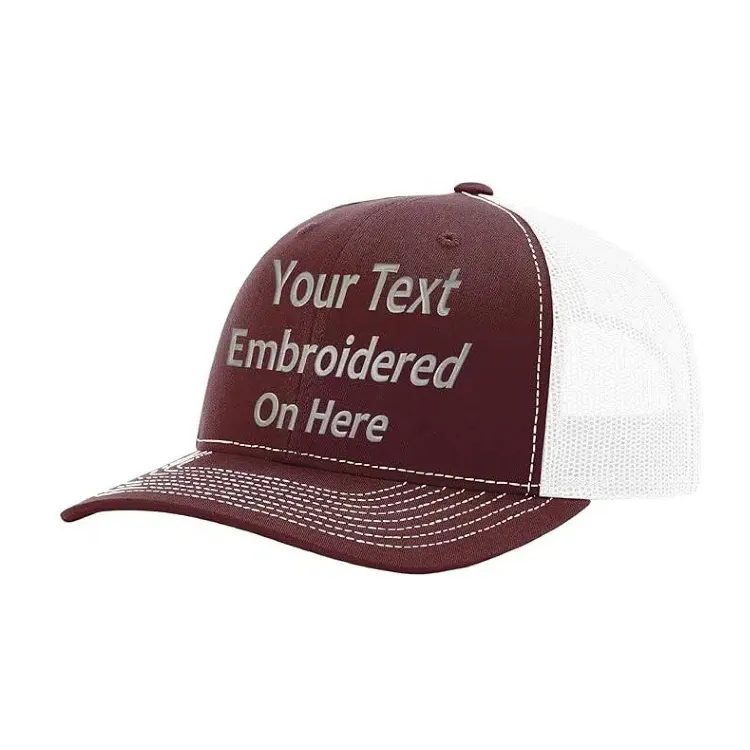
Richardson 112 Style Trucker Hats: Materials & Construction Guide
Richardson 112 style trucker hats are widely recognized for their classic combination of a structured front panel, breathable mesh back and adjustable snapback closure. This construction has become a popular reference point for brands developing custom trucker hats for outdoor, lifestyle, workwear, promotional and streetwear markets.
For brands and wholesalers, however, creating a high-quality trucker hat is about more than choosing a similar-looking silhouette. The front fabric, mesh, crown construction, reinforcement, visor, closure and decoration method all affect the final appearance and performance of the hat.
This guide explains the key materials and construction features of a Richardson 112 style trucker hat, what buyers should specify when developing a custom version, and how to work with a manufacturer to achieve a consistent result.
Important: “Richardson 112 style” in this article refers to a commonly requested trucker-hat construction and silhouette. It does not mean that a custom hat is an authentic Richardson 112 product or affiliated with Richardson unless separately licensed and authorized.
What Is a Richardson 112 Style Trucker Hat?
A Richardson 112 style trucker hat generally refers to a classic five-panel or similar structured trucker construction featuring a fabric front, mesh back, curved visor and adjustable snapback closure.
Its popularity comes from the balance between a structured appearance and breathable back construction.
Typical features include:
- Structured front crown
- Fabric front panels
- Breathable mesh back panels
- Curved visor
- Adjustable plastic snapback closure
- Embroidered or patch decoration
- Casual, outdoor-inspired appearance
This basic construction can be customized with different fabrics, colors, mesh materials, closures, logos and finishing techniques.
For brands looking for a broader range of custom trucker hat options, see our custom logo trucker hats page.
Key Materials Used in Richardson 112 Style Trucker Hats
Material selection has a major influence on the appearance, comfort and durability of a trucker hat. The main components should be evaluated separately rather than treating the hat as a single material.
1. Front Panel Fabric
The front panel is usually the most visible part of the hat and provides the primary surface for branding.
Common fabric choices include:
- Cotton
- Cotton-polyester blends
- Polyester
- Canvas
- Performance fabrics
Cotton provides a natural hand feel and works well for lifestyle and casual brands.
Polyester can provide good durability, color consistency and performance characteristics.
Canvas offers a heavier and more substantial appearance and can be suitable for workwear or premium casual products.
The best choice depends on the target market, climate, decoration method and desired price positioning.
For a detailed comparison of common hat fabrics, read our Custom Hat Materials Guide: Cotton vs. Polyester vs. Nylon vs. Mesh.
2. Mesh Back
The mesh back is one of the defining characteristics of a trucker hat. It allows air to circulate around the head and gives the product its recognizable trucker appearance.
Different mesh constructions can create noticeably different results.
- Soft mesh for a more comfortable hand feel
- Firm mesh for stronger structure
- Fine mesh for a cleaner appearance
- Traditional trucker mesh for a classic look
- Performance mesh for lightweight outdoor applications
For brands targeting warm climates or outdoor customers, mesh selection is particularly important because breathability can directly affect wearing comfort.
3. Crown Reinforcement
A structured trucker hat normally requires reinforcement behind the front panels. The reinforcement helps the crown maintain its shape and provides a stable surface for embroidery and other decorations.
Depending on the construction, manufacturers may use different types of interlining, buckram, foam or other reinforcement materials.
The reinforcement should be selected together with the front fabric rather than independently.
4. Visor
The visor determines a significant part of the hat’s appearance and profile.
A traditional trucker hat generally uses a curved visor, although brands can request different shapes during OEM development.
Important specifications can include:
- Visor length
- Curvature
- Core material
- Top and bottom fabric
- Stitching
- Edge finishing
Even when two hats use similar fabrics, differences in visor shape can make the finished products look substantially different.
5. Snapback Closure
The adjustable snapback closure allows the hat to fit a broad range of head sizes and is one of the most recognizable features of the classic trucker construction.
When developing a custom hat, buyers should consider:
- Closure material
- Color matching
- Number of adjustment positions
- Snap strength
- Overall appearance
For private-label projects, the closure can also be coordinated with the brand’s color system and overall product design.
Typical Construction of a Richardson 112 Style Trucker Hat
A classic trucker hat can be broken down into several main components:
| Component | Function | Common Customization Options |
|---|---|---|
| Front panels | Provides structure and branding surface | Fabric, color, embroidery, patch |
| Mesh panels | Ventilation and visual identity | Mesh type, color, softness |
| Reinforcement | Maintains crown shape | Buckram, interlining, foam |
| Viseira | Provides shape and sun protection | Curve, length, fabric, stitching |
| Snapback | Adjustable fit | Color, material, custom hardware |
| Sweatband | Improves comfort and absorbs moisture | Material, color, label |
| Brand label | Brand identification | Woven label, printed label, private label |
Front Panel Construction and Logo Decoration
The front panel is usually the most important area for branding.
Embroidery remains one of the most common decoration methods for trucker hats. However, the embroidery result depends on more than the logo artwork.
Important factors include:
- Fabric stability
- Embroidery stitch count
- Logo size
- Thread type
- Backing material
- Needle selection
- Embroidery density
- Panel reinforcement
A large or highly detailed embroidery design may require additional testing before bulk production.
For a deeper comparison of decoration technologies, see our guide to embroidery vs. printing for custom hats.
3D Embroidery vs. Flat Embroidery on Trucker Hats
Both flat embroidery and 3D puff embroidery can work well on structured trucker hats.
Flat Embroidery
Flat embroidery is suitable for detailed logos, text and multi-color artwork. It provides a traditional embroidered appearance and can reproduce relatively fine details when the artwork is properly digitized.
3D Puff Embroidery
3D puff embroidery creates a raised effect by placing foam underneath selected areas of the design.
It is particularly useful for bold logos, initials and simple lettering where the raised effect is intended to become part of the visual identity.
However, extremely fine details are not always suitable for 3D embroidery. The artwork should be evaluated before production.
How Fabric Weight Affects Trucker Hat Construction
Fabric weight can affect the hand feel, structure and overall appearance of a custom trucker hat.
However, heavier fabric does not automatically mean higher quality.
A lightweight fabric can be appropriate for a summer or performance trucker hat, while a heavier fabric may be suitable for a premium lifestyle or workwear design.
Fabric weight should also be considered together with reinforcement and decoration.
Read our guide on how to choose fabric weight for custom hats for a more detailed explanation of GSM, structure, climate and embroidery requirements.
Soft Mesh vs. Traditional Trucker Mesh
One of the most important decisions when developing a Richardson 112 style trucker hat is the type of mesh used on the back.
Traditional trucker mesh can provide a firm, classic appearance, while softer mesh can create a more comfortable and flexible feel.
For brands targeting premium lifestyle markets, soft mesh can be particularly useful when comfort is an important part of the product positioning.
For outdoor or promotional applications, buyers may instead prioritize ventilation, durability and cost efficiency.
Manufacturers should ideally provide fabric or mesh swatches before final sample approval.
Color Matching for Custom Trucker Hats
Color consistency becomes especially important when a brand has established visual guidelines.
When developing a custom trucker hat, buyers may need to specify:
- Front panel color
- Mesh color
- Visor color
- Snapback color
- Thread color
- Patch color
- Inner label color
Whenever possible, use a recognized color reference such as Pantone rather than relying only on digital screen colors.
A physical sample should still be approved because the same color can appear different depending on fabric composition, texture, finishing and lighting.
Richardson 112 Style Trucker Hats for Different Markets
Outdoor Brands
Outdoor brands may prioritize breathable mesh, durable fabrics, adjustable fit and functional decoration.
Streetwear Brands
Streetwear brands may focus more on silhouette, color combinations, oversized embroidery, patches, washed fabrics and distinctive branding.
Corporate and Promotional Products
Corporate buyers often prioritize cost efficiency, consistent branding, comfortable materials and reliable bulk production.
Workwear Brands
Workwear applications may require stronger fabrics, durable construction and decoration methods that can withstand regular use.
How to Customize a Richardson 112 Style Trucker Hat
When requesting a custom trucker hat from a manufacturer, provide as many specifications as possible.
Recommended Specification Checklist
- Hat style and reference sample
- Front fabric composition
- Target fabric weight or GSM
- Mesh material and color
- Number of panels
- Structured or unstructured construction
- Visor shape
- Closure type
- Logo artwork
- Embroidery or patch requirements
- Thread colors
- Private-label requirements
- Packaging requirements
- Target quantity
- Target delivery date
If you are not sure about the exact technical specifications, a physical reference hat can help the manufacturer understand the desired construction.
Richardson 112 Style vs. Generic Trucker Hats
A reference style can help communicate the general appearance of a product, but buyers should not assume that every supplier’s “112 style” hat will have identical construction.
Small differences in mesh, front-panel height, crown depth, visor curvature, reinforcement and closure can significantly affect the finished product.
For OEM production, it is therefore better to define the actual technical specifications rather than relying only on a style name.
| Specification | Why It Matters |
|---|---|
| Front panel height | Affects overall crown appearance |
| Mesh construction | Affects ventilation and comfort |
| Fabric weight | Affects hand feel and structure |
| Reinforcement | Affects shape retention and embroidery |
| Visor curvature | Affects the visual profile |
| Closure | Affects fit and appearance |
| Logo decoration | Affects branding and perceived quality |
Sampling Before Bulk Production
A sample is an important step when developing a custom trucker hat.
Before approving bulk production, buyers should inspect:
- Overall crown shape
- Front panel height
- Mesh softness and ventilation
- Visor curvature
- Logo size and position
- Embroidery quality
- Thread colors
- Snapback operation
- Sweatband comfort
- Overall fit
It is also useful to compare the approved sample with the final production specification before bulk manufacturing begins.
For a complete overview of the production process, read How Are Custom Hats Made? A Step-by-Step Hat Manufacturing Process.
How Much Does a Custom Trucker Hat Cost?
The cost of a custom trucker hat depends on much more than the hat style.
Important pricing factors include:
- Fabric and mesh quality
- Hat construction
- Decoration method
- Embroidery stitch count
- Patch material
- Custom labels
- Packaging
- Order quantity
- Sampling requirements
- Método de envio
For an accurate quotation, provide the manufacturer with the complete product specifications rather than requesting a price based only on “112 style trucker hat.”
Our guide on How to Get an Accurate Quote for Custom Hats explains the information that can help manufacturers prepare a more accurate quotation.
Why Choose a Custom Hat Manufacturer for OEM Trucker Hats?
Working directly with an experienced manufacturer can give brands more control over materials, construction and customization.
For an OEM trucker hat project, a manufacturer can help coordinate:
- Fabric sourcing
- Mesh selection
- Pattern development
- Logo digitization
- Embroidery or patch production
- Sampling
- Bulk manufacturing
- Quality control
- Private-label packaging
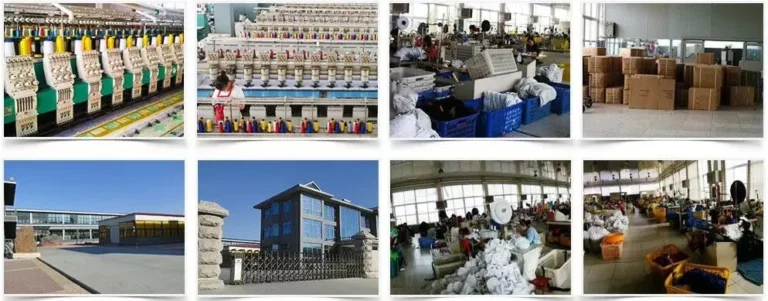
Sinotin is a professional custom hat manufacturer in China, providing OEM and ODM headwear production for brands, wholesalers and distributors.
Our custom trucker hat production can be developed around your required fabric, mesh, logo, colors, closure, labels and packaging.
Whether you need a classic trucker silhouette for an outdoor brand or a customized premium version for a private-label collection, the product can be developed around your specific requirements.
Request a Custom Trucker Hat Quote →
Frequently Asked Questions
What is a Richardson 112 style trucker hat?
A Richardson 112 style trucker hat generally refers to a classic structured trucker construction with a fabric front, breathable mesh back, curved visor and adjustable snapback closure. “Style” describes the construction reference and does not by itself indicate an authentic Richardson product.
What materials are used for Richardson 112 style trucker hats?
Common materials include cotton, polyester, cotton blends or canvas for the front panels, synthetic mesh for the back, reinforcement materials inside the crown, and plastic or other materials for the adjustable closure.
Can I customize a Richardson 112 style trucker hat?
Yes. A manufacturer can develop a custom trucker hat with different fabrics, colors, mesh, embroidery, patches, closures, labels and packaging, subject to the applicable intellectual-property and manufacturing requirements.
Is soft mesh better for trucker hats?
Soft mesh and traditional firm mesh provide different characteristics. Soft mesh can provide a more flexible and comfortable feel, while firmer mesh can create a more traditional structured appearance. The appropriate choice depends on the intended product.
Can I add 3D embroidery to a trucker hat?
Yes. 3D puff embroidery can work well on structured front panels, especially for bold logos and lettering. The artwork should be evaluated to ensure that the design contains shapes and details suitable for puff embroidery.
What should I provide when ordering custom trucker hats?
Provide the desired hat style, reference sample or images, fabric, mesh, colors, logo artwork, decoration method, quantity, labels, packaging and target delivery date. If some specifications are unknown, a manufacturer can help recommend suitable options.
Can a manufacturer make a private-label trucker hat?
Yes. Private-label trucker hats can include custom logos, embroidery, patches, woven labels, sweatbands, hangtags and packaging according to the brand’s requirements.