 Dutch
 English
 Spanish
 French
 Japanese
 Korean
 German
 Portuguese


Common Quality Issues in Custom Baseball Cap Manufacturing
When sourcing custom baseball caps in bulk, product quality is one of the most important factors for brands, wholesalers, and promotional product buyers. Even small manufacturing defects can affect the appearance, comfort, durability, and overall consistency of a finished cap.
For businesses ordering hundreds or thousands of custom baseball caps, understanding potential quality issues before production can help reduce product defects, avoid unnecessary costs, and ensure that bulk orders meet the approved sample and technical specifications.
As a professional custom hat manufacturer, we believe quality control should cover every stage of production, from material selection and cutting to sewing, assembly, and final inspection.
In this guide, we explain the most common quality issues in custom baseball cap manufacturing, their possible causes, and practical ways to prevent them.
1. Uneven Crown Shape and Poor Cap Structure
The crown is one of the most noticeable parts of a baseball cap. Its shape determines the overall appearance and fit of the finished product.
Common crown-related quality problems include:
- Uneven or asymmetrical crown panels.
- Wrinkles or unwanted folds on the front panels.
- Front panels that collapse or lose their intended shape.
- Uneven crown height or inconsistent panel alignment.
- Different crown shapes among caps in the same production batch.
Possible causes:
These problems may result from inaccurate pattern cutting, inconsistent fabric tension, improper sewing, incorrect panel matching, or unsuitable front panel reinforcement materials.
How to prevent them:
- Use accurate cutting patterns and consistent panel dimensions.
- Check the alignment of all crown panels before sewing.
- Select suitable buckram or reinforcement materials according to the required cap structure.
- Maintain consistent sewing tension during crown assembly.
- Compare the finished crown shape with the approved reference sample.
For structured baseball caps, front panel reinforcement is especially important. The reinforcement material should provide sufficient support without creating excessive stiffness or visible wrinkles.
2. Incorrect Cap Measurements and Size Inconsistency
Incorrect measurements are another common issue in bulk custom baseball cap production. Even when a design looks correct, inconsistent dimensions can affect the wearing experience and cause customer complaints.
Typical measurement problems include:
- Crown height that is too high or too low.
- Incorrect head circumference.
- Brim length or width that differs from the approved specifications.
- Uneven front panel dimensions.
- Inconsistent opening sizes or closure adjustment ranges.
Possible causes:
Measurement deviations can occur when production teams use different measurement reference points, cutting patterns are not properly controlled, or fabric shrinkage is not considered during production.
How to prevent them:
- Prepare a clear technical specification sheet before bulk production.
- Define standard measurement points for every cap component.
- Use consistent measuring methods and appropriate measuring tools.
- Check measurements during cutting and after final assembly.
- Establish acceptable measurement tolerances before production begins.
For B2B buyers, it is important to confirm the measurement chart and tolerances with the manufacturer before approving the pre-production sample.
3. Brim Deformation and Incorrect Curvature
The brim, also called the visor, plays an important role in the appearance and functionality of a baseball cap. Its shape should remain consistent with the approved design.
Common brim quality issues include:
- Brims that are twisted or asymmetrical.
- Uneven curvature between the left and right sides.
- Brims that are too flat or excessively curved.
- Visible wrinkles or fabric distortion.
- Brim edges that are uneven or poorly finished.
Possible causes:
Brim deformation may be related to incorrect visor insert thickness, inaccurate cutting, uneven stitching, improper shaping, or unsuitable materials.
How to prevent them:
- Choose suitable brim inserts according to the required stiffness and shape.
- Ensure that the upper and lower brim fabrics are properly aligned.
- Maintain consistent stitching around the brim.
- Use appropriate shaping equipment and production methods.
- Inspect brim symmetry and curvature against the approved sample.
For curved-brim baseball caps, the curvature should be consistent across the entire bulk order. For flat-brim designs, the visor should maintain a clean and level appearance.
4. Fabric Defects and Inconsistent Material Quality
Fabric quality directly affects the appearance, comfort, and durability of custom baseball caps. Material problems may become more noticeable when large quantities of fabric are used in bulk production.
Common fabric-related issues include:
- Fabric holes, stains, or visible surface defects.
- Uneven fabric thickness or weight.
- Loose fibers or excessive fraying.
- Fabric that feels significantly different from the approved sample.
- Unwanted shrinkage or distortion after washing.
Possible causes:
These issues may come from inconsistent raw material batches, poor fabric storage, inadequate incoming material inspection, or insufficient testing before production.
How to prevent them:
- Confirm the fabric composition, weight, and construction before ordering materials.
- Inspect incoming fabrics before cutting.
- Check fabric consistency across different production batches.
- Evaluate shrinkage and dimensional stability when washing or finishing is required.
- Use approved fabric swatches as the reference standard.
For example, cotton twill, polyester, canvas, and mesh fabrics have different characteristics. The selected material should match the intended cap design, wearing conditions, and target market.
5. Poor Stitching and Loose Threads
Sewing quality is essential for the structural integrity and appearance of a baseball cap. Poor stitching can make a product look unfinished and may reduce its service life.
Common sewing defects include:
- Skipped stitches or broken stitches.
- Uneven stitch spacing.
- Loose threads around seams.
- Open or weak seams.
- Misaligned panel joining.
- Uneven topstitching along the brim.
Possible causes:
Incorrect machine settings, unsuitable thread tension, worn needles, inconsistent operator techniques, and insufficient in-process inspection can all contribute to sewing defects.
How to prevent them:
- Set appropriate sewing machine parameters for different fabrics.
- Use suitable thread and needle specifications.
- Check seam strength and stitch consistency during production.
- Trim loose threads and inspect seam finishing.
- Pay particular attention to high-stress areas such as the crown seams and sweatband attachment.
Consistent sewing quality is especially important for brands that require a premium finish and repeat orders with the same specifications.
6. Incorrect Logo Position and Decoration Alignment
Logo placement is an important part of custom baseball cap production. Even when the logo itself is correctly produced, incorrect positioning can affect the overall appearance of the cap.
Common decoration-related problems include:
- Front logos positioned too high or too low.
- Logos that are not centered on the front panels.
- Patch decorations that are tilted or uneven.
- Heat transfer graphics with incorrect alignment.
- Decoration dimensions that differ from the approved artwork.
Possible causes:
These issues may result from unclear artwork instructions, inaccurate positioning references, inconsistent manual placement, or inadequate checks during decoration application.
How to prevent them:
- Provide clear logo dimensions and placement measurements.
- Use approved artwork and placement templates.
- Confirm logo positioning on the pre-production sample.
- Check decoration alignment during bulk production.
- Compare finished products with the approved reference sample.
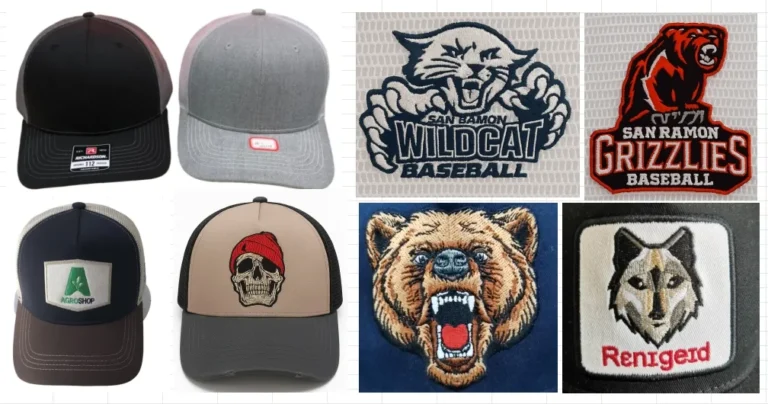
Different decoration methods, including flat embroidery, 3D embroidery, woven patches, leather patches, and heat transfer, require different production controls.
For more information, read our guide: De kracht van op maat geborduurde baseballcaps in merkpromotie.
7. Poor Sweatband Attachment and Uncomfortable Interior Finishing
The sweatband is an important component of a baseball cap because it directly contacts the wearer’s forehead. Poor interior finishing can affect comfort and the perceived quality of the product.
Common sweatband-related problems include:
- Uneven sweatband attachment.
- Visible gaps between the sweatband and crown.
- Twisted or wrinkled sweatbands.
- Excessively rough interior seams.
- Sweatbands that are too tight or too loose.
Possible causes:
Incorrect sweatband dimensions, inaccurate sewing, unsuitable materials, or poor alignment during assembly can lead to these problems.
How to prevent them:
- Select sweatband materials appropriate for the product’s intended use.
- Ensure consistent sweatband dimensions.
- Maintain even attachment around the inner circumference.
- Inspect the interior for wrinkles, exposed seams, and loose threads.
- Check wearing comfort during sample evaluation.
For sports caps and outdoor headwear, moisture absorption, softness, and skin comfort should also be considered during material selection.
8. Defective Closures and Adjustment Systems
Most adjustable baseball caps use closures such as plastic snapbacks, metal buckles, fabric straps, or hook-and-loop fasteners. The closure system should be secure, functional, and consistent with the approved design.
Common closure defects include:
- Snapback straps that do not fasten properly.
- Plastic snaps that crack or become loose.
- Metal buckles with rough edges or poor finishing.
- Incorrect strap lengths.
- Hook-and-loop fasteners with weak adhesion.
- Closures that are incorrectly attached or positioned.
Possible causes:
Low-quality accessories, incorrect component dimensions, weak attachment, or insufficient functional testing may cause closure problems.
How to prevent them:
- Use accessories that meet the agreed quality requirements.
- Check closure dimensions and compatibility with the cap design.
- Test fastening and adjustment functions.
- Inspect attachment strength and surface finishing.
- Confirm that the adjustment range meets the required head-size specifications.
Closures should be evaluated not only for appearance but also for repeated use and durability.
9. Inconsistent Appearance Across Bulk Production
A cap may look excellent as a single sample but still show noticeable differences when hundreds or thousands of units are produced. Bulk consistency is therefore an important part of manufacturing quality control.
Common batch consistency problems include:
- Different crown shapes within the same order.
- Variations in brim curvature.
- Inconsistent fabric texture or thickness.
- Differences in logo dimensions or positioning.
- Variations in stitching and finishing quality.
Possible causes:
Uncontrolled production parameters, inconsistent raw materials, changes in machine settings, and insufficient in-process inspections can create differences between individual units.
How to prevent them:
- Keep the approved pre-production sample as the production reference.
- Standardize cutting, sewing, shaping, and finishing procedures.
- Inspect products at different production stages.
- Compare samples taken from different production batches.
- Maintain clear quality standards for every production run.
For brands and wholesalers, consistent bulk quality is particularly important because customers expect every cap in an order to have the same appearance and performance.
10. Poor Final Finishing and Packaging Quality
Even when the main manufacturing processes are completed correctly, poor finishing or packaging can reduce the quality of the delivered products.
Common finishing and packaging issues include:
- Untrimmed threads and visible fabric scraps.
- Dust, stains, or unwanted marks on finished caps.
- Deformed brims caused by improper packing.
- Caps packed in the wrong quantity or configuration.
- Insufficient protection during transportation.
How to prevent them:
- Perform final cleaning and loose-thread removal.
- Check the appearance of each cap before packing.
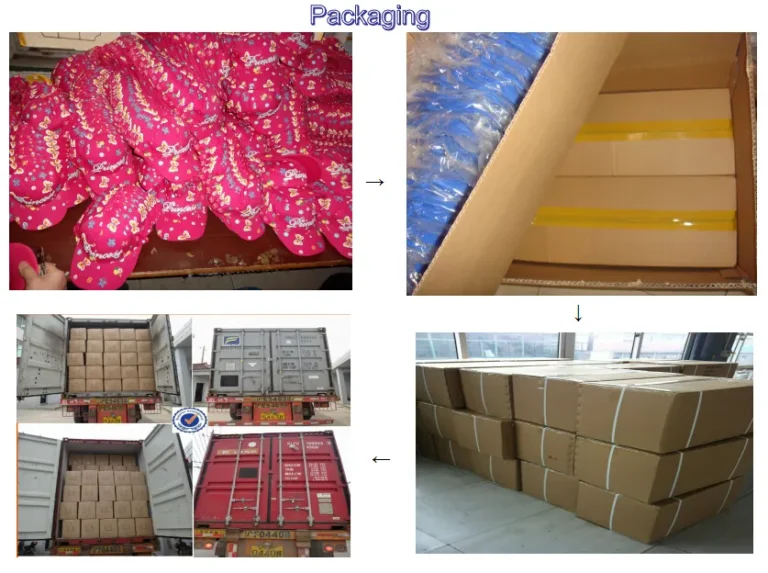
- Use suitable packaging methods to protect the crown and brim.
- Verify carton quantities and shipping marks.
- Inspect carton condition and packing arrangements before shipment.
Proper packaging is particularly important for international shipments, where products may experience multiple handling and transportation stages.
How to Build an Effective Quality Control Process for Custom Baseball Caps
Preventing quality problems requires more than inspecting finished products. A reliable quality control system should cover the entire manufacturing process.
For custom baseball cap orders, we recommend the following checkpoints:
| Production Stage | Key Inspection Points | Quality Objective |
|---|---|---|
| Raw Material Inspection | Fabric, color, weight, accessories, and reinforcement materials | Ensure materials meet approved specifications |
| Cutting | Panel dimensions, cutting accuracy, and fabric defects | Maintain consistent component sizes |
| Sewing and Assembly | Stitching, panel alignment, crown shape, and sweatband attachment | Ensure structural quality and workmanship |
| Decoration | Logo size, position, alignment, and appearance | Match approved artwork and sample |
| Shaping and Finishing | Crown symmetry, brim curvature, loose threads, and overall appearance | Maintain a consistent finished product |
| Final Inspection | Measurements, appearance, function, and workmanship | Identify and separate defective products |
| Packing | Quantity, carton condition, packing method, and shipping marks | Protect products during transportation |
For larger orders, buyers can also discuss an agreed inspection standard with the manufacturer. AQL-based inspection may be used to define sampling procedures and acceptable defect levels. The inspection level and acceptance criteria should be confirmed before production.
For a more detailed explanation of the inspection process, see our related article: Inspection Before Shipment for Custom Hats.
What Should Buyers Confirm Before Starting Bulk Production?
Clear communication between the buyer and manufacturer is one of the most effective ways to prevent quality problems.
Before placing a bulk order, buyers should confirm the following details:
- Cap construction: Number of panels, crown structure, front reinforcement, and overall shape.
- Fabric specifications: Material composition, fabric weight, texture, and color.
- Measurements: Crown height, head circumference, brim dimensions, and adjustment range.
- Decoration details: Logo artwork, dimensions, placement, and decoration method.
- Accessories: Closure type, eyelets, top button, sweatband, and other components.
- Sample approval: Confirm the final pre-production sample before bulk manufacturing.
- Quality requirements: Agree on inspection points, acceptable tolerances, and defect criteria.
- Packaging: Confirm individual packaging, carton quantity, and shipping requirements.
Providing a detailed tech pack or product specification sheet can significantly reduce misunderstandings and improve production consistency.
Conclusion: Quality Starts Before Bulk Production
Common quality issues in custom baseball cap manufacturing can involve crown construction, measurements, brim shape, fabric quality, stitching, decoration alignment, sweatbands, closures, bulk consistency, and final packaging.
Most of these problems can be reduced through proper material selection, accurate technical specifications, standardized manufacturing procedures, sample approval, and effective quality inspections.
For brands, wholesalers, and distributors, choosing an experienced custom baseball cap manufacturer is an important step toward achieving consistent product quality and reliable bulk production.
At QINGDAO SINOTIN HEADWEAR CO., LTD., we provide OEM and ODM custom hat manufacturing services for brands, wholesalers, and distributors. From material selection and sample development to bulk production and final inspection, we focus on helping customers achieve their required product specifications.
Planning your next custom baseball cap order? Contact our team to discuss your design, materials, logo requirements, and bulk production needs.
Contact Us for Custom Baseball Cap Manufacturing
Frequently Asked Questions
1. What are the most common quality problems in custom baseball caps?
The most common problems include uneven crown shapes, incorrect measurements, deformed brims, fabric defects, poor stitching, misplaced logos, defective closures, and inconsistent bulk production quality.
2. How can buyers ensure consistent quality in bulk baseball cap orders?
Buyers should approve a pre-production sample, confirm detailed product specifications, use consistent raw materials, establish inspection standards, and conduct quality checks throughout production.
3. Why can bulk baseball caps look different from the approved sample?
Differences may result from fabric batch variations, cutting deviations, changes in sewing parameters, inconsistent shaping, or insufficient production controls. A standardized production process and regular inspections can help minimize these differences.
4. What should be checked during a baseball cap quality inspection?
Inspectors should check fabric condition, measurements, crown symmetry, brim shape, stitching, logo placement, sweatband attachment, closure functionality, overall appearance, and packaging.
5. Should buyers inspect custom baseball caps before shipment?
Yes. A final inspection before shipment helps identify visible defects, measurement deviations, functional problems, and packing errors before products leave the factory.
6. What is the difference between sample inspection and bulk production inspection?
Sample inspection focuses on confirming the design, materials, measurements, and workmanship of a reference sample. Bulk production inspection checks whether mass-produced caps consistently meet the approved sample and agreed specifications.