
 Japanese
 English
 Spanish
 French
 Korean
 Dutch
 German
 Portuguese



Air Freight vs. Sea Freight for Wholesale Hat Orders
Choosing between air freight and sea freight is an important decision when importing wholesale hats from China. For brands, wholesalers, distributors, and private-label businesses, the shipping method affects more than transportation costs. It also influences inventory planning, product launch schedules, cash flow, and the risk of running out of stock.
Air freight is generally better suited to urgent shipments, smaller replenishment orders, and products with tight delivery deadlines. Sea freight is often more economical for larger wholesale orders when the buyer has sufficient time to receive the goods. However, the best option depends on shipment volume, chargeable weight, destination, delivery requirements, and the total landed cost.
This guide compares air freight vs. sea freight for wholesale hats, explains when each option makes sense, and shows how buyers can choose a shipping strategy that balances cost, speed, and supply chain reliability.
1. Air Freight vs. Sea Freight for Whole Hat Orders: What Is the Difference?
Air freight transports cargo by aircraft, usually through commercial cargo services or dedicated freight operations. Sea freight transports goods by vessel and is commonly used for larger international shipments. Wholesale hats can be shipped using either method, depending on the order size, destination, and delivery deadline.
| Comparison Factor | Air Freight | Sea Freight |
|---|---|---|
| Transportation speed | Generally faster | Generally slower |
| Transportation cost per unit | Usually higher for bulky shipments | Often lower for large shipments |
| Best shipment profile | Urgent or relatively small shipments | Large or consolidated bulk orders |
| Inventory planning | Useful for urgent replenishment | Requires earlier purchasing and forecasting |
| Cost calculation | Chargeable weight and service fees | Container space, cargo volume, and applicable fees |
| Typical shipment options | Air freight and express courier | Full container load (FCL) and less than container load (LCL) |
| Delivery considerations | Airline schedules, handling, customs, and final delivery | Vessel schedules, port handling, customs, and inland delivery |
Neither method is automatically the cheapest or best choice for every order. Buyers should compare quotations for the same shipment details and delivery scope rather than comparing only the advertised freight rate.
2. Air Freight for Wholesale Hats: Advantages and Disadvantages
Advantages of Air Freight
1. Faster international transportation
Air freight is generally much faster than ocean freight for international transportation. It can be a suitable option when wholesale hats are needed for a product launch, trade show, promotional campaign, or urgent inventory replenishment.
2. Better support for time-sensitive orders
When missing a delivery deadline could result in lost sales or a delayed campaign, faster transportation may justify the additional freight expense. The value of receiving the products on time should be considered alongside the shipping quotation.
3. Useful for smaller or urgent shipments
Air freight can be practical for smaller batches, replacement goods, or selected styles that need to arrive before the rest of an order. Express courier services may also be appropriate for samples and very small shipments, although their pricing and service conditions differ from standard air freight.
Disadvantages of Air Freight
1. Higher transportation costs
Air freight generally costs more per unit than sea freight when shipping large volumes of hats. If the order has a tight profit margin, the additional freight expense may significantly affect the final landed cost.
2. Chargeable weight can increase the freight bill
Air cargo charges are commonly based on the greater of actual gross weight and volumetric weight, subject to the carrier’s calculation rules. Hats may occupy substantial space when packed in cartons, even if the products themselves are relatively lightweight.
Buyers should therefore request both carton dimensions and gross weight before comparing air freight quotations.
3. Faster transportation does not guarantee immediate delivery
Airport handling, flight availability, customs clearance, security procedures, and final-mile transportation can add time. Always confirm the estimated door-to-door delivery window rather than relying only on the flight transit time.
3. Sea Freight for Wholesale Hats: Advantages and Disadvantages
Advantages of Sea Freight
1. Often more economical for large orders
Sea freight is frequently the preferred option for high-volume wholesale hat shipments because ocean transportation can offer a lower freight cost per unit. This can help importers protect their margins when ordering thousands of hats for wholesale distribution or retail inventory.
2. Suitable for planned inventory replenishment
Businesses with reliable demand forecasts can place orders earlier and use sea freight to replenish inventory at a lower transportation cost. This approach is especially useful for repeat orders with stable designs, specifications, and quantities.
3. Multiple shipment arrangements
Buyers can consider full container load (FCL) shipping when they have enough cargo to justify a dedicated container, or less than container load (LCL) shipping when sharing container space is more appropriate.
Disadvantages of Sea Freight
1. Longer and less predictable delivery schedules
Sea freight requires more time for vessel transportation and may also involve consolidation, port handling, customs clearance, and inland delivery. Vessel schedule changes, port congestion, and other disruptions can extend the overall delivery period.
2. Additional charges must be considered
Ocean freight quotations may exclude destination terminal handling, customs clearance, duties, taxes, delivery, or other charges. LCL shipments may also involve consolidation and deconsolidation fees.
Request a clear breakdown of origin charges, ocean freight, destination charges, customs-related costs, and final delivery before selecting a supplier’s shipping option.
3. Longer inventory commitment
Ordering by sea requires buyers to plan their purchasing and stock levels further in advance. Businesses must consider the time goods spend in transit and any additional receiving, warehousing, and distribution requirements after arrival.
4. Which Shipping Method Is Better for Different Hat Orders?
The right freight option depends on the business purpose of the shipment, not simply the number of hats ordered.
| Order Scenario | Suggested Starting Point | Reason |
|---|---|---|
| Hat samples for design approval | Express courier or suitable air service | Samples usually need to arrive quickly for review. |
| Urgent promotional hats | Air freight | Speed may be more important than minimizing freight costs. |
| Large wholesale order with flexible timing | Sea freight | Lower transportation costs may improve unit economics. |
| Repeat order for established retail products | Usually sea freight, subject to inventory needs | Earlier purchasing can support a more economical replenishment plan. |
| Partial stock shortage | Air freight for urgent quantities; sea freight for the balance | A split shipment can balance availability and cost. |
| Multiple hat styles from different suppliers | Compare consolidated air and sea options | Combining cargo may improve efficiency, depending on volume and timing. |
These recommendations are starting points rather than fixed rules. A relatively small but bulky shipment may be expensive by air, while a larger shipment with a strict deadline may still justify air transportation. Obtain actual quotations before deciding.
5. How to Compare Air Freight and Sea Freight Costs
One of the most common sourcing mistakes is comparing only the quoted freight rate. The more useful comparison is the total cost of delivering the hats to the required destination.
Step 1: Confirm the Shipment Details
Ask your custom hat manufacturer to provide:
- Total number of hats and cartons.
- Gross weight of the shipment.
- Carton dimensions and total shipment volume.
- Factory location and cargo-ready date.
- Final delivery address or destination port.
- Required delivery deadline.
Without these details, freight quotations may be based on different assumptions and cannot be compared accurately.
Step 2: Understand How Air Freight Is Calculated
Air freight commonly uses chargeable weight, which is generally the greater of actual gross weight and volumetric weight. The volumetric divisor and other calculation rules depend on the carrier and service.
For example, if a shipment occupies a large volume relative to its actual weight, its volumetric weight may determine the charge. This is why carton size and packing efficiency can make a meaningful difference to the freight cost of hats.
Ask the freight forwarder to confirm the applicable volumetric divisor, chargeable weight, rate, and additional fees.
Step 3: Compare the Full Sea Freight Cost
For sea freight, request the relevant charges for either FCL or LCL shipping. Depending on the quotation and delivery arrangement, costs may include origin handling, documentation, ocean freight, destination handling, customs clearance, and inland transportation.
A low ocean freight rate does not necessarily mean a low total delivered cost. Destination charges can materially affect the final amount, particularly for smaller LCL shipments.
Step 4: Calculate the Shipping Cost Per Hat
A simple comparison is:
Shipping cost per hat = Total shipping-related costs ÷ Number of hats shipped
For a fair comparison, use the same shipment quantity, destination, delivery scope, and cost inclusions for both air and sea freight.
To compare the complete import cost, including applicable product, freight, insurance, duty, tax, and other charges, read our guide on how to calculate the landed cost of imported custom hats.
6. Why Hat Packaging Matters for Freight Costs
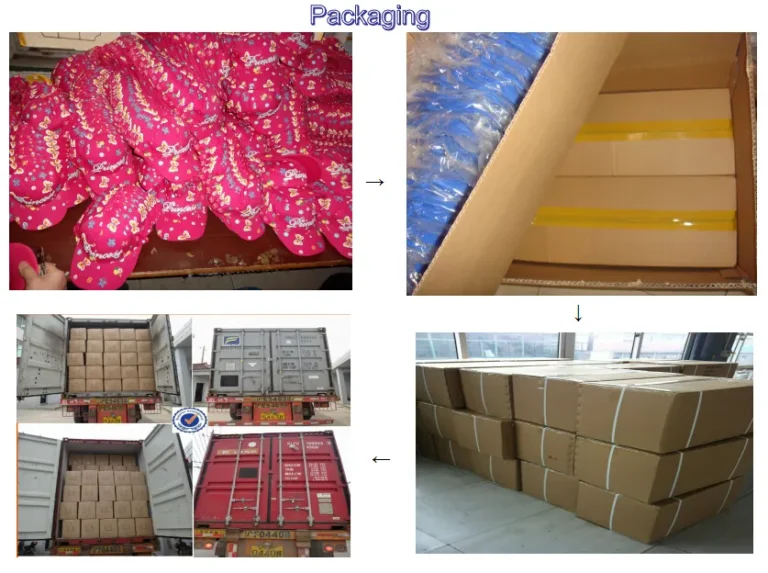
Hat packaging affects shipment volume, product protection, and freight efficiency. A well-designed packing plan can help buyers control transportation costs without compromising the shape or appearance of the finished products.
Evaluate Carton Dimensions
Ask your manufacturer to confirm the proposed carton size, packing quantity, and total shipment volume before production is completed. Smaller cartons are not automatically better if they reduce product protection or cause hats to lose their intended shape.
Choose Suitable Protection
Baseball caps, structured trucker hats, unstructured dad hats, and other headwear styles may have different packing requirements. Structured crowns, curved or flat brims, embroidery, and patches should be considered when determining how products are arranged inside cartons.
For example, buyers sourcing custom trucker hats should confirm how the front panels and brims will be protected during packing and transportation.
Confirm Packing Specifications Early
Discuss the following points before finalizing the order:
- Number of hats per polybag or inner pack, if applicable.
- Number of hats per carton.
- Carton length, width, and height.
- Gross weight per carton.
- Required protection for crowns, brims, and decorative details.
- Carton markings and shipping labels.
Final packing specifications should balance product protection, warehouse handling, and freight efficiency. Any proposed packing changes should be approved by the buyer before implementation.
7. Consider a Split Shipment: Air Freight for Urgent Stock, Sea Freight for the Balance
Buyers do not always need to ship an entire order using one transportation method. For some projects, a split shipment offers a practical compromise between speed and cost.
For example, a brand ordering 5,000 custom baseball caps may need part of the order for an upcoming launch while the remaining stock can arrive later. The buyer could evaluate sending a limited quantity by air and the balance by sea.
This strategy may be appropriate when:
- The launch date is fixed but not all inventory is needed immediately.
- A small quantity can cover initial sales or promotional requirements.
- The remaining stock can arrive through a more economical shipping method.
- The additional handling and freight costs are justified by the business need.
Before splitting an order, compare the extra costs of two shipments, including separate documentation, handling, customs procedures, and delivery arrangements. Also confirm that the factory can complete and pack the quantities according to the required schedule.
The objective is not simply to ship faster. It is to make the right quantity available at the right time while keeping the total cost commercially reasonable.
8. How to Coordinate Shipping with Custom Hat Production
Freight planning should begin before bulk production is finished. Waiting until the goods are ready can limit carrier options and create unnecessary pressure when the delivery deadline is approaching.
When working with a custom hat manufacturer, confirm the following milestones:
- Order confirmation: Finalize the hat style, quantity, colors, logo details, and packing requirements.
- Production planning: Confirm material availability, estimated completion, and the expected cargo-ready date.
- Packing confirmation: Obtain carton dimensions, gross weight, and shipment volume as soon as reliable figures are available.
- Freight quotation: Request comparable air and sea freight options for the intended destination.
- Shipping arrangement: Confirm the booking, documentation responsibilities, and delivery terms.
- Delivery monitoring: Track the shipment and coordinate customs clearance and final delivery.
For more information about production scheduling and managing deadlines, see our related guide on planning lead times for custom hat bulk orders.
A clear schedule helps buyers coordinate product availability, marketing campaigns, warehouse receiving, and onward distribution.
9. Questions to Ask Before Booking Freight for Wholesale Hats
Before accepting a shipping quotation, confirm these details with your supplier or freight forwarder:
- Is the quotation for air freight, express courier, FCL, or LCL?
- Is the price based on the final packing dimensions and weight?
- Does the quotation cover factory pickup, export handling, and documentation?
- Are destination charges, customs clearance, duties, taxes, and final delivery included or excluded?
- What is the estimated door-to-door delivery window?
- When does the quoted transit time begin?
- Which party is responsible for export and import customs procedures?
- What insurance options are available, and what exclusions apply?
- Which Incoterm applies to the transaction, and where does the seller’s delivery obligation end?
- How will delays, additional charges, or changes to the shipping schedule be communicated?
Confirm the agreed responsibilities in writing. Incoterms define important responsibilities and cost allocations between the buyer and seller, but they do not replace a complete freight quotation or guarantee a specific arrival date.
10. Common Shipping Mistakes When Importing Wholesale Hats
Mistake 1: Choosing Only by the Lowest Freight Rate
A low quotation may exclude destination charges or final delivery. Compare the full scope of services and total expected cost before making a decision.
Mistake 2: Ignoring Volumetric Weight
Hats can occupy significant carton space. Failing to check volumetric weight may result in an air freight bill that is higher than expected.
Mistake 3: Booking Freight Too Late
Waiting until the last minute may reduce shipping flexibility and leave insufficient time for unexpected delays. Start comparing options while production is underway.
Mistake 4: Forgetting Customs and Destination Charges
International transportation is only part of the delivery process. Clarify the import documentation, applicable duties and taxes, customs clearance, and final delivery arrangements in advance.
Mistake 5: Using the Same Shipping Method for Every Order
A repeat wholesale order, an urgent replenishment shipment, and a promotional launch may have different priorities. Choose the method that best fits each shipment’s business purpose.
11. Frequently Asked Questions
Is air freight or sea freight cheaper for wholesale hats?
Sea freight is generally more economical per unit for larger shipments, while air freight usually costs more for bulky cargo. The actual result depends on shipment volume, chargeable weight, route, service level, and destination charges. Compare complete quotations for the same shipment details.
How long does air freight take from China to the USA or Europe?
Air freight is generally faster than sea freight, but total delivery time varies by route, airline schedules, cargo handling, customs clearance, and final delivery. Ask your freight forwarder for a current door-to-door estimate for your destination rather than relying on flight time alone.
How long does sea freight take from China to the USA or Europe?
Ocean freight transit time varies by origin, destination, vessel routing, port conditions, and service schedule. Total delivery time must also account for cargo consolidation where applicable, port handling, customs clearance, and inland transportation. Confirm a current estimate for your specific route.
Is air freight suitable for a bulk order of 3,000 custom hats?
It can be suitable if the delivery deadline is tight or the business value of receiving the hats early justifies the additional expense. However, 3,000 hats may occupy considerable space. Request carton dimensions, gross weight, chargeable weight, and both air and sea freight quotations before deciding.
Can I ship part of my hat order by air and the rest by sea?
Yes. A split shipment can be useful when some products are needed urgently and the remainder can arrive later. Compare the additional freight, handling, customs, and documentation costs before approving the arrangement.
Does the shipping method affect the quality of custom hats?
The transportation method alone does not determine product quality. Appropriate packaging, cargo handling, moisture protection where necessary, and suitable storage conditions are important for maintaining the shape and appearance of hats during transit.
Should I compare freight costs before placing my custom hat order?
Yes. Early freight estimates help you assess the landed cost, determine a suitable shipping method, and establish a realistic delivery schedule. Final quotations should be updated once the actual packing dimensions, weight, and cargo-ready date are confirmed.
Conclusion: Choose the Shipping Method That Fits Your Wholesale Hat Business
Air freight and sea freight both have a place in wholesale hat sourcing. Air freight can be valuable when speed and inventory availability are the priority, while sea freight is often more cost-effective for larger orders with flexible delivery schedules.
The best decision comes from comparing the total shipping cost, chargeable weight or cargo volume, delivery deadline, customs responsibilities, and the commercial consequences of arriving early or late. In some cases, splitting the shipment provides a useful balance between speed and cost.
For brands, wholesalers, and distributors sourcing custom headwear from China, coordinating production, packaging, and transportation from the beginning can help reduce avoidable costs and improve delivery planning.
Looking for a custom hat manufacturer in China? QINGDAO SINOTIN HEADWEAR CO., LTD. provides OEM and ODM manufacturing solutions for custom baseball caps, trucker hats, embroidered hats, and patch hats.
Share your hat style, order quantity, customization requirements, destination country, and target delivery date with our team so we can discuss your order requirements and production schedule.
Contact SINOTIN about your wholesale hat order