 Japanese
  English
  Spanish
  French
  Korean
  Dutch
Dutch  German
  Portuguese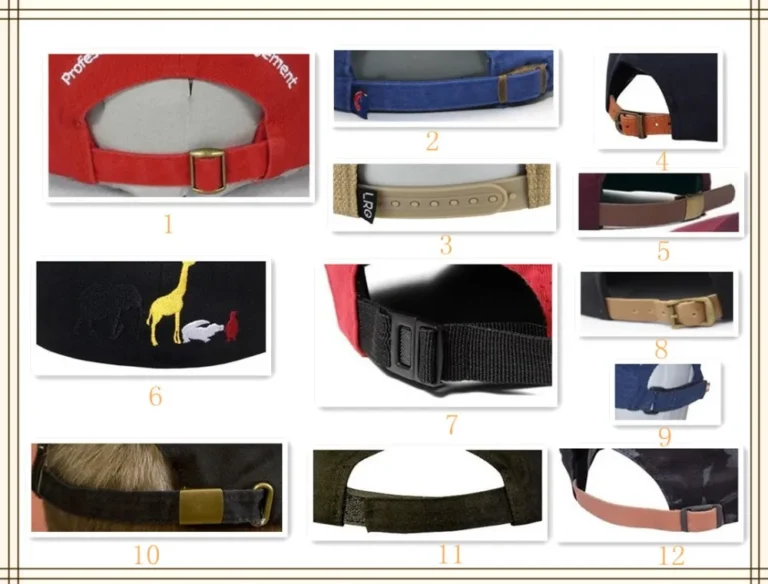
10 Common Mistakes When Ordering Custom Hats
Ordering custom hats for a brand, promotional campaign, sports team, event, or retail business can be more complicated than it first appears. A small mistake in the design, material, sizing, embroidery, quantity, or production specification can lead to higher costs, production delays, or hats that do not match the original expectations.
Whether you are ordering custom baseball caps, trucker hats, embroidered hats, snapbacks, dad hats, or private label headwear, understanding the most common mistakes can help you avoid unnecessary problems and make the production process much smoother.
As an experienced custom hat manufacturer in China, we work with brands, wholesalers, distributors, promotional companies, and retailers worldwide. This guide explains the 10 most common mistakes buyers make when ordering custom hats and how to avoid them.
1. Choosing a Hat Style Without Considering the Final Use
One of the first mistakes buyers make is choosing a hat style based only on appearance. A hat may look good in a product photo but may not be the right choice for your target customers or intended application.
For example, a structured six-panel baseball cap may work well for a premium lifestyle brand, while a lightweight trucker hat may be more suitable for outdoor promotions or casual fashion. A five-panel cap can provide a different appearance and branding area, while an unstructured dad hat offers a softer and more relaxed look.
Before selecting a style, consider:
- Target customer and age group
- Brand positioning
- Intended use
- Climate and wearing conditions
- Desired fit and appearance
- Logo placement and decoration method
- Target retail price
For a detailed comparison of different hat styles, see our Custom Hat Styles: Complete Guide.
How to avoid this mistake
Tell your manufacturer how the hats will be used before asking for a quotation. An experienced factory can recommend suitable materials, construction, closure systems, and decoration methods based on the application.
2. Providing an Incomplete or Unclear Design
A logo alone is usually not enough for a manufacturer to accurately develop a custom hat.
Many buyers send only a JPG or PNG logo and expect the factory to determine the remaining specifications. However, a production-ready custom hat requires much more information.
Important design specifications may include:
- Hat style and panel construction
- Hat color
- Fabric and material
- Logo artwork
- Logo size
- Logo position
- Embroidery or printing method
- Thread or print colors
- Closure type
- Underbrim color
- Back and side decoration
If your project requires multiple decoration locations, clearly mark each location on the artwork or tech pack.
For more information, read our guide to creating an OEM Hat Manufacturing Checklist.
3. Focusing Only on the Lowest Unit Price
Price is important when sourcing custom hats, but choosing a supplier based only on the lowest quotation can create problems later.
Two factories may quote different prices for what appears to be the same hat because the specifications are not actually identical.
The final cost can be affected by:
- Fabric quality and weight
- Number of panels
- Front panel reinforcement
- Embroidery stitch count
- Patch construction
- Closure quality
- Packaging requirements
- Sampling costs
- Production quantity
- 配送方法
For example, two trucker hats may look similar in a quotation but use different mesh materials, sweatbands, front panels, closures, and finishing processes.
Instead of comparing only the unit price, ask suppliers to quote based on the same complete specification.
4. Ordering Without Confirming the Minimum Order Quantity
Minimum Order Quantity, or MOQ, is another important factor that buyers sometimes overlook.
Different manufacturers may have different MOQs depending on the hat style, fabric, decoration method, color, and customization requirements.
For example, a factory may have one MOQ for stock blank hats with custom embroidery and another MOQ for completely customized hats requiring custom fabrics, colors, labels, and packaging.
Before placing an order, confirm:
- Total MOQ
- MOQ per color
- MOQ per size, if applicable
- MOQ for custom fabric
- MOQ for custom labels
- MOQ for special packaging
Understanding these requirements early can prevent unexpected production costs.
5. Using the Wrong Logo Size or Decoration Method
A logo that looks good on a computer screen may not necessarily look good when embroidered on a hat.
Small text, thin lines, detailed graphics, and complex artwork can create production challenges, especially when embroidery is used.
Common decoration methods include:
- 3Dパフ刺繍
- Flat embroidery
- Woven patches
- Embroidered patches
- Leather patches
- Rubber patches
- Screen printing
- Heat transfer
- Laser engraving or laser cutting
The best method depends on the artwork, fabric, desired appearance, quantity, and budget.
For example, small text may require simplified artwork or a larger logo size to remain readable after embroidery.
Before bulk production, always ask the factory to confirm whether your artwork is suitable for the selected decoration method.
6. Not Confirming Colors With Physical References
Color differences are a common source of disagreement between buyers and manufacturers.
A color displayed on a computer monitor can look different from the actual fabric or embroidery thread. Screen settings, lighting, fabric composition, and production processes can all affect the final appearance.
For important brand colors, buyers should provide a recognized color reference such as a Pantone color whenever possible.
It is also useful to specify whether the color reference applies to:
- Hat fabric
- Embroidery thread
- Patch material
- Printing ink
- Labels and packaging
For brand-sensitive projects, a physical sample or approved color swatch can provide an additional reference before bulk production.
7. Skipping the Pre-Production Sample
Another common mistake is going directly from quotation to bulk production without approving a sample.
A pre-production sample gives the buyer an opportunity to check the actual hat before committing to a large quantity.
The sample should be reviewed for:
- Overall hat shape
- Fit and crown height
- Fabric and color
- Logo size
- Logo position
- Embroidery quality
- Patch appearance
- Closure and adjustability
- Stitching and finishing
If the sample is not correct, it is much easier to make adjustments before bulk production begins.
For more information about the production timeline, see From Sample to Bulk Production: How Long Does It Take to Manufacture Custom Hats?.
8. Not Confirming Production Lead Time
Custom hats require more than simply manufacturing the finished product. The overall timeline may include artwork preparation, sample development, sample approval, material preparation, embroidery digitizing, bulk production, inspection, packaging, and shipping.
A typical project may therefore involve several different stages:
- Design and specification confirmation
- Quotation
- Artwork review
- Sample development
- Sample approval
- Material preparation
- Bulk production
- Quality inspection
- Packaging
- Shipping
Buyers should ask the manufacturer to separate sample lead time, production lead time, and shipping time.
This is especially important when hats are required for a product launch, trade show, sports season, promotional campaign, or holiday selling period.
9. Forgetting About Packaging and Private Label Requirements
Brands sometimes focus heavily on the hat itself but forget to discuss packaging and labeling until the end of the project.
If you are building your own hat brand, you may need:
- Custom woven labels
- Care labels
- Hangtags
- Custom stickers
- Individual polybags
- Custom boxes
- Barcode labels
- Carton markings
These requirements should be discussed before production because they can affect MOQ, cost, lead time, and packing procedures.
If you are developing your own headwear brand, you may also want to review our guide on How to Start a Hat Brand.
10. Choosing a Supplier Without Checking Manufacturing Capability
One of the most important decisions is choosing the right manufacturing partner.
A supplier that specializes in custom headwear can often provide more detailed production support than a general trading company, particularly when your project involves multiple customization requirements.
Before placing an order, consider asking:
- Does the supplier manufacture hats directly?
- How many years of custom hat production experience do they have?
- Can they provide samples?
- Can they handle embroidery and patch customization?
- Can they support OEM and ODM projects?
- Can they develop custom colors and materials?
- Can they provide private label services?
- Can they handle quality inspection?
- Can they provide export and shipping support?
A manufacturer with experience in international B2B orders can also help identify potential production problems before they become expensive mistakes.
Custom Hat Ordering Checklist
Before confirming your order, use the following checklist:
| Item | What to Confirm |
|---|---|
| Hat Style | Baseball cap, trucker hat, snapback, dad hat, 5-panel, 6-panel, etc. |
| Material | Cotton, polyester, nylon, mesh, wool blend, etc. |
| Color | Pantone reference or approved physical sample |
| Logo | Artwork, size, location, and decoration method |
| Embroidery | Stitch type, stitch count, thread colors, and embroidery size |
| Closure | Snapback, buckle, Velcro, hook-and-loop, elastic, etc. |
| MOQ | Total quantity and MOQ per color/style |
| Sample | Sample approval before bulk production |
| Lead Time | Sample, production, inspection, and shipping timeline |
| Packaging | Labels, hangtags, polybags, cartons, and special packaging |
How to Make the Custom Hat Ordering Process Easier
The easiest way to reduce mistakes is to provide your manufacturer with a clear specification from the beginning.
A professional custom hat supplier should be able to help you review your artwork, recommend suitable construction and decoration methods, develop samples, and confirm production requirements before bulk manufacturing.
For buyers who are still preparing their project, our guide How to Get an Accurate Quote for Custom Hats explains what information manufacturers need to provide a more accurate quotation.
Why Work With an Experienced Custom Hat Manufacturer?
For brands and wholesalers, the goal is not simply to find the cheapest hat. The goal is to develop a product that meets the required quality, appearance, quantity, delivery schedule, and target cost.
An experienced custom hat manufacturer can help you identify potential problems before production, including unsuitable artwork, difficult embroidery details, incorrect material selection, unrealistic delivery schedules, and unclear specifications.
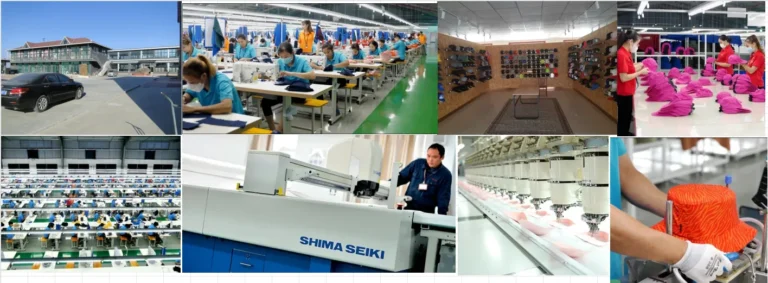
で QINGDAO SINOTIN HEADWEAR CO., LTD., we provide OEM and ODM custom headwear manufacturing for brands, wholesalers, distributors, promotional companies, and retailers.
Our capabilities include custom baseball caps, trucker hats, embroidered hats, patch hats, snapbacks, dad hats, private label headwear, and other customized headwear projects.
Frequently Asked Questions About Ordering Custom Hats
What information do I need to order custom hats?
At minimum, you should provide the desired hat style, quantity, color, logo artwork, logo placement, decoration method, and delivery requirements. More detailed specifications can help the manufacturer provide a more accurate quotation.
Should I order a sample before bulk production?
Yes. A pre-production sample allows you to verify the hat shape, material, color, logo size, embroidery, patch quality, and other details before committing to bulk production.
How many custom hats should I order?
The appropriate quantity depends on your sales plan, budget, target market, and manufacturer’s MOQ. Ask the supplier about MOQ per style and color before finalizing your order.
Can a manufacturer help with my hat design?
Many experienced OEM and ODM hat manufacturers can help review artwork and recommend suitable materials, construction methods, embroidery, patches, and other decoration techniques.
How long does it take to manufacture custom hats?
The timeline depends on the hat style, materials, customization requirements, sample approval, quantity, and production schedule. Always confirm sample time, bulk production time, and shipping time separately.
What is the best way to avoid mistakes when ordering custom hats?
The best approach is to create a clear product specification, confirm all details with the manufacturer, approve a sample before bulk production, and confirm MOQ, pricing, lead time, packaging, and quality requirements in writing.
Ready to Order Custom Hats?
If you are sourcing custom hats for a brand, wholesale business, promotional campaign, or retail project, providing complete specifications at the beginning can save time and reduce production risks.
Need a custom hat quotation? Send us your hat style, quantity, logo artwork, preferred material, colors, and delivery requirements. Our team can review your project and recommend a suitable production solution.