 English
  Spanish
  French
  Japanese
  Korean
  Dutch
Dutch  German
  Portuguese
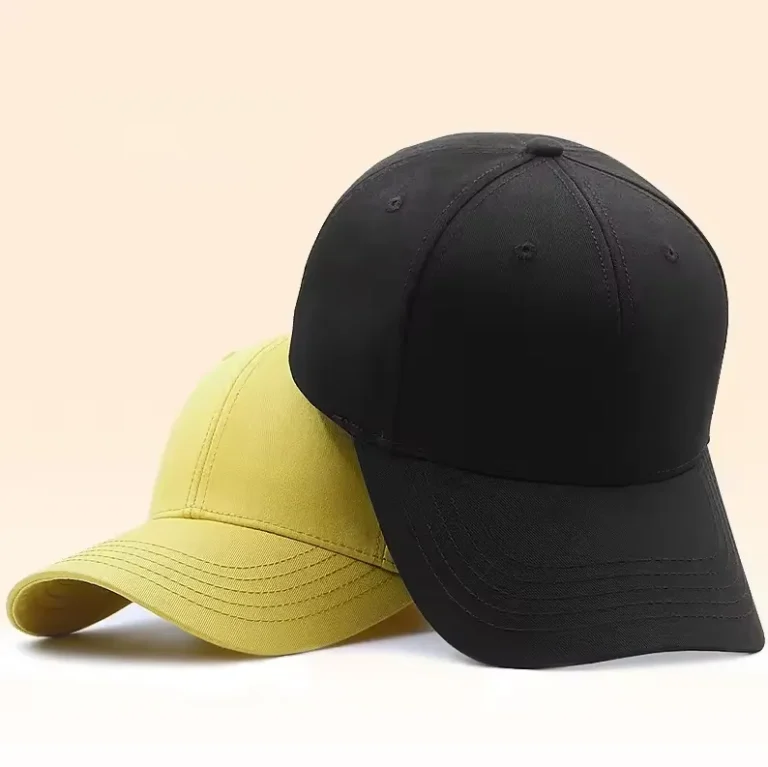
Qingdao Sinotin Cap as a professional custom cap and hat manufacturer, we often receive questions from US buyers about custom hats cost and custom hat pricing.
Many brands are surprised by how much pricing can vary from one project to another.
The truth is that the cost of custom hats depends on multiple factors, including materials, construction, logo decoration, and order volume. Understanding these factors helps US brands make smarter sourcing decisions and control their budget.
1. Hat Style and Construction
Different hat styles have different production requirements, which directly affect custom hat pricing.
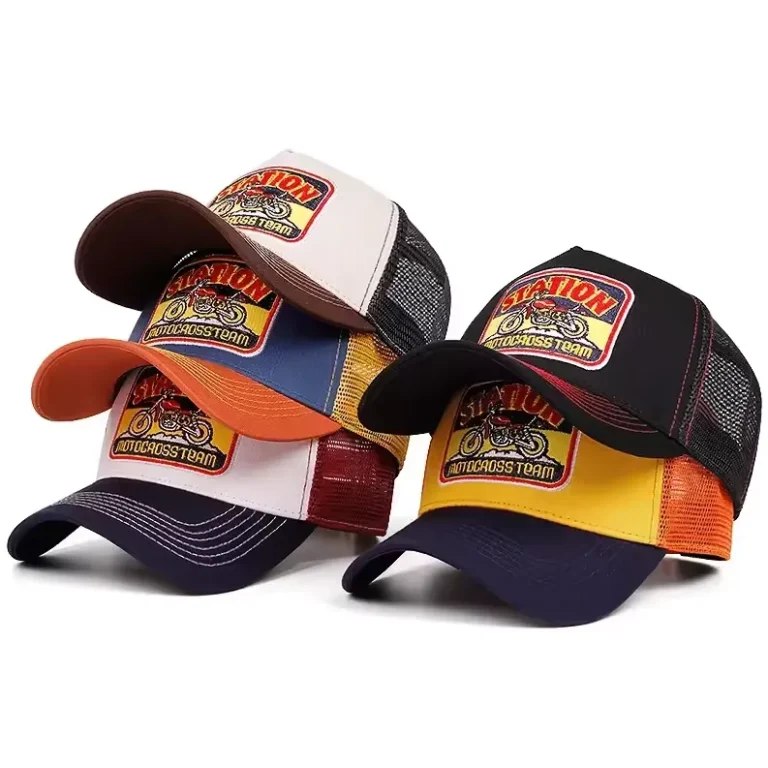
For example, a basic unstructured baseball cap usually has a lower custom hats cost, while structured snapbacks or multi-panel designs require additional labor and materials, increasing manufacturing expenses. Normally cap shapes are below:
- Custom baseball caps are generally cost-effective due to standardized construction.
- Trucker hats require mesh panels and foam fronts, slightly increasing material complexity.
- Snapback hats often involve structured panels and premium closures.
- Bucket hats or beanies may involve different machinery and stitching methods.
In addition, structured vs. unstructured caps, panel count (5-panel vs. 6-panel), and crown height all affect production time and material usage.
More complex construction = higher manufacturing cost.
2. Fabric and Material Selection
Material choice is one of the biggest cost drivers in custom hat production.
Common fabric options include:
- Cotton twill
- Polyester
- Cotton and polyester blended
- Acrylic
- Wool or wool blends
- Nylon or performance fabrics
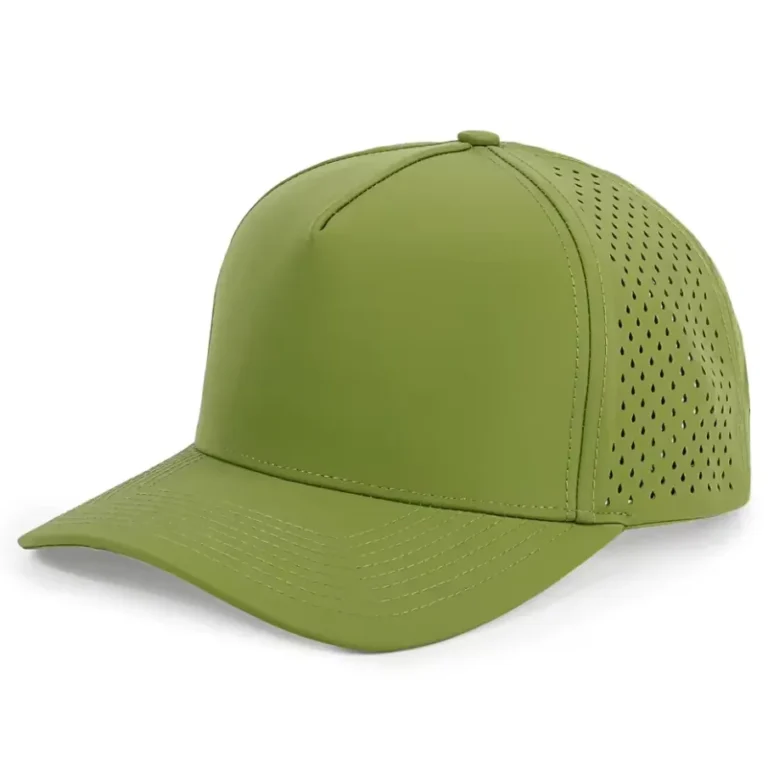
Premium or specialty fabrics—such as organic cotton, recycled materials, corduroy, canvas, or water-resistant fabrics—typically cost more than standard options.
Material weight, durability, and sourcing also affect pricing. Higher-quality fabrics usually result in better feel and longevity, but they come at a higher unit cost.
3. Logo Decoration & Branding Method
Logo customization is a major factor in custom hat manufacturing cost.
As a professional custom cap manufacturer, we see that embroidery pricing depends on stitch count, logo size, and placement.
Large, detailed, or 3D embroidered logos require more machine time, which raises overall custom hats cost, especially for small orders.
Common branding methods include:
- Embroidery (flat or 3D puff)
- Screen printing
- Woven or printed patches
- Leather or PVC patches
- Heat transfer or sublimation
Among these, embroidery is the most popular, but pricing depends on:
- Stitch count
- Number of colors
- Logo size
- Placement (front, side, back)
3D embroidery or multiple logo placements require more labor and machine time, increasing costs.
More detailed logos = higher decoration cost.
4. Quantity (MOQ & Order Volume)
Order quantity plays a critical role in custom hats bulk pricing.
For US brands ordering in higher volumes, setup costs such as embroidery digitizing and machine calibration are spread across more units. This significantly lowers the cost of custom hats per piece, making bulk orders the most cost-effective option.
Custom hat manufacturing involves setup costs such as:
- Pattern making
- Digitizing embroidery files
- Machine setup
These costs are spread across the total order. As a result:
- Low MOQ = higher unit cost
- Bulk orders = lower cost per hat
For buyers planning long-term sales or brand growth, ordering larger quantities often results in significant savings.
5. Accessories and Custom Details
Small details can add up quickly.
Optional added details that increase cost include:
- Custom labels (woven, printed, satin)
- Inside tape printed with logos
- Custom sweatbands
- Metal closures or branded buckles
- Hang tags and retail-ready packaging
While these elements enhance brand perception and professionalism, each additional customization increases material and labor expenses.
6. Sampling and Prototyping
Before mass production, many buyers request pre-production samples.
Sampling costs depend on:
- Number of samples
- Complexity of design
- Custom molds or materials required
Although samples add upfront cost, they are crucial for ensuring fit, quality, and branding accuracy—especially for premium or retail-focused brands.
7. Production Time & Urgency
Standard production timelines are more cost-efficient.
If you require:
- Rush production
- Shorter lead times
- Priority scheduling
Additional labor or overtime may be required, increasing manufacturing costs.
Planning ahead helps keep costs under control and avoids rush fees.
8. Packaging and Shipping
Packaging and logistics are often overlooked but can significantly affect total cost.
Factors include:
- Individual polybags vs. custom boxes
- Bulk packing vs. retail packaging
- Shipping method (sea, air, express)
- Destination country and import requirements
International shipping costs fluctuate based on fuel prices, volume, and delivery speed.
How to Control Custom Hat Costs
As a manufacturer, we always recommend buyers:
- Choose materials that match their target market
- Simplify logo designs when possible
- Order in bulk to reduce unit price
- Plan production timelines early
- Focus spending on details that truly add value
Balancing quality, branding, and budget is key to a successful custom hat project.
Why work with an Experienced Custom Cap and Hat Manufacturer?
Working directly with an experienced custom cap manufacturer allows you to control both quality and custom hat pricing.
Instead of buying from traders or middlemen, US buyers can get:
- Transparent custom hats cost breakdown
- Flexible MOQ
- Better quality control
- Factory-direct pricing
This approach is especially valuable for growing brands and private-label hat companies.
Contact us for inquiry. www.sinotincap.com
Looking for a reliable custom hat manufacturer?
Get a free quote from our factory.
QINGDAO SINOTIN HEADWEAR CO.,LTD.
-
✅ 30+ Years Factory Experience
-
✅ Export to USA & Europe
-
✅ Low MOQ for Custom Orders
- ✅ In-house Embroidery & Printing