 French
 English
 Spanish
 Japanese
 Korean
 Dutch
 German
 Portuguese

Custom Hat Sampling Cost vs. Bulk Production Cost
When developing custom hats for a brand, one of the first questions buyers ask is: Why does a custom hat sample cost significantly more per piece than a hat produced in bulk?
This is a common question among apparel brands, wholesalers, promotional companies, and private-label buyers. The reason is simple: sample development and bulk manufacturing involve different production processes, labor requirements, and cost structures.
A custom hat sample is developed to test the design, materials, construction, fit, and logo quality before mass production. Bulk production, on the other hand, focuses on manufacturing a larger quantity using an approved design and standardized production procedures.
In this guide, we explain the differences between custom hat sampling costs and bulk production costs, what buyers are actually paying for, and how to manage development costs when sourcing custom hats from a manufacturer.
1. What Is the Difference Between Custom Hat Sampling Cost and Bulk Production Cost?
Custom hat sampling cost is the expense of developing and producing a small number of prototype hats before mass production. It may include material preparation, pattern development, embroidery digitizing, logo setup, sample-making labor, and other development expenses.
Bulk production cost is the manufacturing cost per unit when producing a larger quantity of approved hats. It is generally lower because materials can be purchased in larger quantities, production processes become more efficient, and setup costs are distributed across more units.
| Comparison | Custom Hat Sampling | Bulk Production |
|---|---|---|
| Production purpose | Design development and approval | Commercial manufacturing |
| Order quantity | Usually 1–5 pieces per design | Usually hundreds or thousands |
| Production process | Small-scale, customized operations | Standardized production workflow |
| Labor cost per piece | Relatively high | Lower through production efficiency |
| Material purchasing | Small quantities or specially prepared materials | Bulk material purchasing |
| Setup costs | Often concentrated in sample development | Spread across the production quantity |
| Unit cost | Higher | Generally lower |
| Main objective | Verify the product before approval | Produce consistent finished products |
The key point is that sample pricing and bulk pricing should not be compared as if they were based on the same manufacturing conditions.
2. What Factors Affect Custom Hat Sampling Costs?
The cost of a custom hat sample depends on its design complexity, material requirements, logo decoration, and the amount of development work involved.
2.1 Hat Design and Construction
Different hat styles require different patterns, components, and manufacturing techniques.
- Baseball caps: Commonly require crown panels, buckram reinforcement, a visor, sweatband, and closure.
- Trucker hats: Require front panels, mesh back panels, additional joining operations, and suitable closures.
- Snapback caps: May involve structured crowns, flat brims, and specific panel construction.
- Bucket hats: Require different crown and brim patterns, often with more complicated fabric handling.
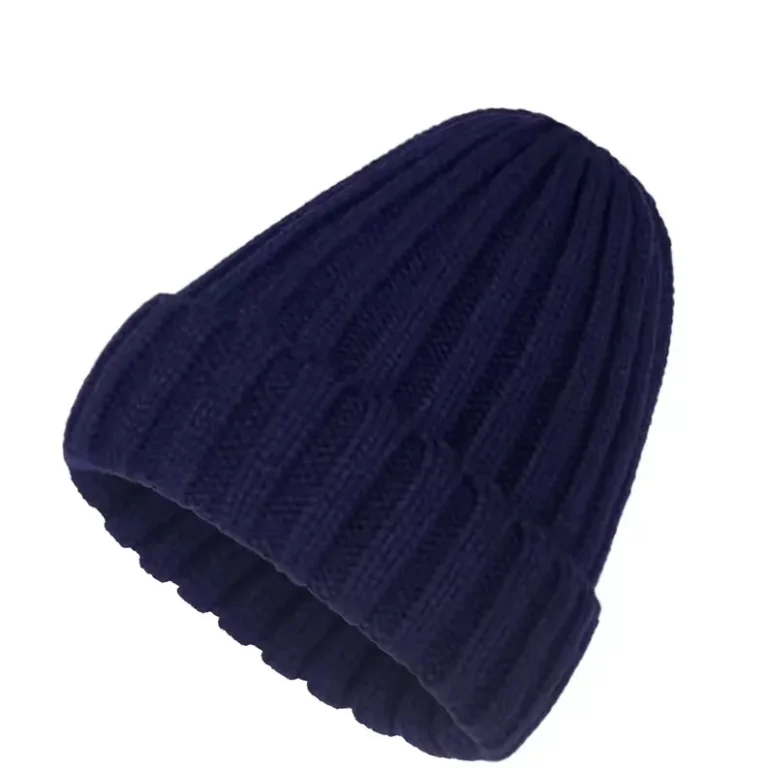
- Beanies: May require knitting development, yarn selection, and specific knitting structures.
A basic six-panel cotton baseball cap is generally easier to develop than a complicated multi-material hat with special construction details.
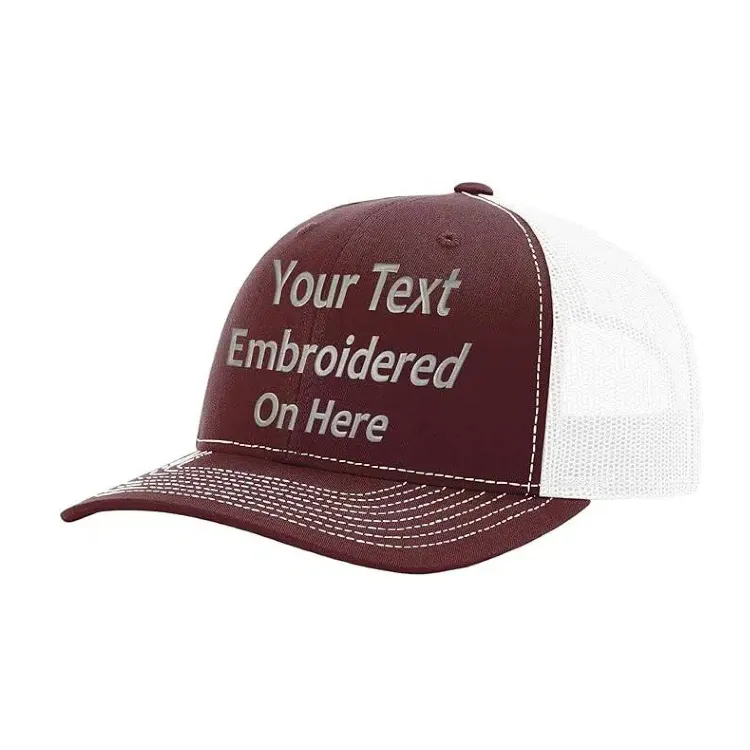
For product references, explore our custom baseball caps et casquettes de baseball brodées personnalisées.
2.2 Fabric and Material Requirements
Fabric selection is another important factor affecting sample costs.
Common materials include:
- Cotton twill
- Polyester
- Washed cotton
- Canvas
- Corduroy
- Wool blends
- Specialty mesh fabrics
If a buyer chooses a standard fabric already available at the factory, sample development is usually more straightforward.
However, custom-dyed fabrics, special fabric weights, unusual textures, or materials that require separate sourcing may increase development costs and lead times.
For example, a custom washed cotton baseball cap with a specific color and vintage finish may require additional material preparation compared with a standard cotton twill cap.
2.3 Logo Decoration and Artwork Setup
Logo decoration can significantly influence sample development costs.
Common customization methods include:
- Flat embroidery: Requires embroidery digitizing and machine setup.
- 3D puff embroidery: Requires additional foam preparation and specific embroidery settings.
- Woven patches: May require artwork preparation and patch production.
- Leather patches: May require material cutting, logo processing, and special attachment methods.
- Screen printing: May require screen preparation and color separation.
- Heat transfer printing: Requires transfer artwork preparation and suitable application settings.
For embroidery, stitch count, logo size, thread colors, and design complexity all affect the development process.
A simple one-color embroidered logo is generally easier to prepare than a large, multi-color 3D embroidered design.
2.4 Pattern Development and Sample-Making Labor
A custom hat sample is not simply taken from a mass-production line.
Depending on the project, the factory may need to:
- Adjust the crown shape and panel dimensions.
- Prepare or modify cutting patterns.
- Develop the visor shape and curvature.
- Adjust front panel reinforcement.
- Confirm the position of embroidery or patches.
- Test the fit, closure, and overall construction.
These operations require experienced workers and individual attention. This is one of the main reasons why a custom sample has a higher cost per piece.
3. Why Is the Unit Cost of Bulk Hat Production Lower?
Once a sample has been approved, the manufacturer can move into mass production using confirmed specifications.
Several factors help reduce the cost per hat.
3.1 Bulk Material Purchasing
Manufacturers can purchase fabrics, mesh, buckram, sweatbands, closures, and other accessories in larger quantities.
Bulk purchasing generally provides better material pricing and reduces the cost of sourcing small quantities separately.
3.2 More Efficient Production Lines
During sample development, workers may need to perform individual adjustments and handle special requirements.
During bulk production, the approved specifications can be followed repeatedly. Cutting, sewing, embroidery, assembly, and finishing operations become more efficient.
This improves labor productivity and reduces the average manufacturing cost per unit.
3.3 Production Setup Costs Are Distributed Across More Units
Some manufacturing expenses remain relatively fixed regardless of the order quantity.
Examples include:
- Embroidery digitizing
- Logo artwork preparation
- Pattern development
- Printing screen preparation
- Production planning and setup
When these costs are allocated across a larger order, their impact on the cost of each individual hat becomes smaller.
4. Sample Cost vs. Bulk Production Cost: An Example
Let’s look at a simplified example of a custom embroidered baseball cap project.
Assume a buyer wants to develop a six-panel cotton baseball cap with a custom embroidered front logo.
| Cost Item | Sample Development | Bulk Production (500 pcs) |
|---|---|---|
| Material preparation | Small-quantity preparation | Bulk material purchasing |
| Pattern and setup | Development and adjustment | Shared production setup |
| Embroidery | Digitizing and sample testing | Repeated machine production |
| Labor | Individual sample-making | Batch production |
| Quality control | Design and construction verification | Batch inspection |
| Cost structure | Development-focused | Production-focused |
Illustrative cost calculation:
Suppose the custom sample fee is $80 for one sample, while the approved bulk production price is $4.00 per hat for an order of 500 pieces.
- Sample development fee: $80
- Bulk production cost: 500 × $4.00 = $2,000
- Total before shipping: $2,080
- Effective cost per finished bulk hat, including the sample fee: $2,080 ÷ 500 = $4.16
This example is for explaining the cost structure only. Actual sample fees and production prices depend on the hat specifications, materials, logo requirements, order quantity, and factory quotation.
Also, sample fees may be refundable or credited toward a bulk order depending on the manufacturer’s policy. Buyers should confirm this before placing a sample order.
5. Does the Sample Fee Include All Development Costs?
Not necessarily. Different manufacturers have different sample pricing policies.
When requesting a sample quotation, buyers should clarify what is included in the quoted fee.
| Cost Item | What Buyers Should Confirm |
|---|---|
| Sample manufacturing | Does the fee cover one complete finished hat? |
| Embroidery digitizing | Is the embroidery file setup included? |
| Patch development | Are mold or patch setup charges included? |
| Special materials | Are custom fabrics or accessories charged separately? |
| Sample revisions | Are adjustments or replacement samples included? |
| Shipping | Is courier delivery included or quoted separately? |
Understanding these details helps buyers avoid unexpected costs during product development.
6. How Many Sample Revisions Are Usually Needed?
The number of sample revisions depends on how complete the original design specifications are and how complicated the hat is.
A typical development process may include:
- Initial sample: The factory develops the first physical sample based on the buyer’s artwork, reference photos, and specifications.
- Sample evaluation: The buyer checks the fit, fabric, color, logo size, embroidery quality, and construction.
- Revision: The factory makes necessary adjustments based on the buyer’s feedback.
- Final approval: The buyer confirms the final sample before mass production.
For simple designs, one sample round may be sufficient. More complicated designs may require additional revisions.
To reduce unnecessary revisions, buyers should provide clear artwork, reference photos, Pantone colors, logo dimensions, and construction requirements before sampling begins.
7. How Can Buyers Reduce Custom Hat Sampling Costs?
Sampling costs cannot always be eliminated, but buyers can manage them more effectively with proper preparation.
1. Provide Complete Design Information
Send clear front, side, back, and inside reference images whenever possible. Include logo artwork, dimensions, materials, colors, and construction requirements.
2. Use Standard Factory Materials
Choosing existing fabric colors, standard closures, and commonly used hat constructions can reduce additional sourcing and development expenses.
3. Confirm Logo Artwork Before Sampling
Make sure the embroidery artwork, logo dimensions, thread colors, and decoration method are confirmed before sample production.
4. Combine Similar Designs
If you are developing several color variations of the same hat style, discuss with the manufacturer whether they can share the same pattern and development setup.
5. Work Directly with an Experienced Manufacturer
An experienced hat manufacturer can identify potential construction problems before sample production, recommend suitable materials, and help avoid unnecessary revisions.
Good communication between the buyer and factory can save both development time and money.
8. Should You Order a Sample Before Bulk Hat Production?
For most customized hat projects, ordering a physical sample before mass production is strongly recommended.
Even when a digital mockup looks correct, the actual product may differ in several ways:
- Fabric texture and thickness
- Hat crown shape and fit
- Visor curvature
- Embroidery density and appearance
- Logo size and placement
- Color matching
- Overall construction quality
A physical sample allows buyers to evaluate the actual product instead of relying only on digital artwork.
For brands selling through retail stores, distributors, or e-commerce platforms, confirming product quality before bulk production can help prevent expensive mistakes and customer complaints.
For more information about product inspection, read our guide on custom hat manufacturing and explore our product range before starting your project.
9. What Information Should You Provide When Requesting a Sample and Bulk Quotation?
To receive an accurate quotation, buyers should prepare the following information:
- Hat style: Baseball cap, trucker hat, snapback, bucket hat, beanie, etc.
- Quantity: Estimated bulk order quantity.
- Fabric: Cotton twill, polyester, washed cotton, mesh, or other materials.
- Logo: Embroidery, 3D embroidery, woven patch, leather patch, printing, etc.
- Colors: Crown, visor, mesh, closure, and logo colors.
- Customization: Labels, buckles, sweatbands, packaging, and other details.
- Sample requirements: Number of samples and required delivery date.
- Shipping destination: Country and delivery address or postal code.
It is also helpful to request separate prices for sample development and different bulk quantities, such as 300, 500, 1,000, and 3,000 pieces.
For additional guidance, read our article: How to Get an Accurate Quote for Custom Hats.
10. Why Choose Sinotin for Custom Hat Sampling and Bulk Production?
Au Qingdao Sinotin Headwear Co., Ltd., we provide OEM and ODM custom hat manufacturing services for brands, wholesalers, retailers, promotional companies, and distributors worldwide.
From initial design development to bulk manufacturing, our team helps customers turn their ideas into production-ready headwear.
Our services include:
- Custom baseball caps and trucker hats
- Custom snapback caps and dad hats
- Custom bucket hats and beanies
- Embroidery, 3D embroidery, printing, and patch decoration
- Custom fabrics, colors, labels, and accessories
- Sample development and bulk production
- Quality inspection and international shipping
We understand that sampling is an important investment for every brand. Our goal is to help buyers confirm their product specifications, minimize unnecessary revisions, and achieve consistent quality during mass production.
Whether you are developing a new hat collection or replenishing an existing product line, we can support your project from sample to bulk order.
11. Frequently Asked Questions (FAQ)
Why is a custom hat sample more expensive than a bulk-produced hat?
A sample requires individual material preparation, pattern development, embroidery or logo setup, and manual production work. These costs are concentrated in a small number of pieces, making the sample cost per unit higher than bulk production.
How much does a custom hat sample cost?
The cost depends on the hat style, materials, logo decoration, and development requirements. A simple sample using standard materials generally costs less than a complicated design involving custom fabrics, special patches, or multiple decoration methods. Request a project-specific quotation for an accurate price.
Can the custom hat sample fee be deducted from the bulk order?
Some manufacturers offer refundable sample fees or credit the sample fee toward a qualifying bulk order. However, this depends on the manufacturer’s policy, order quantity, and project requirements. Always confirm the terms before paying for a sample.
How long does custom hat sampling take?
Sampling commonly takes around 5–10 working days after the design and materials are confirmed. Complicated designs, special materials, or custom accessories may require additional time.
How long does bulk custom hat production take?
Bulk production commonly takes around 20–35 days, depending on order quantity, hat construction, material availability, and customization complexity. The confirmed schedule should be provided by the manufacturer for each project.
Can I order bulk hats without approving a physical sample?
It may be possible for repeat orders with an already approved specification. However, for new designs or important product launches, approving a physical sample is recommended to reduce quality and specification risks.
Does ordering more hats always reduce the unit price?
Generally, larger orders reduce the average unit cost because setup expenses and production resources are distributed across more units. However, the final price also depends on materials, customization, and production complexity.
Start Your Custom Hat Project with Sinotin
Looking for a reliable custom hat manufacturer for your next collection?
Send us your design, reference photos, estimated quantity, and customization requirements. Our team can help you evaluate sample development costs and provide a competitive quotation for bulk production.
From sample development to bulk manufacturing, Sinotin is ready to support your custom headwear project.