 German
 English
 Spanish
 French
 Japanese
 Korean
 Dutch
 Portuguese


Custom Beanies: Yarn Types, Knitting Options and Branding Methods
Custom beanies are an essential product for fashion brands, streetwear labels, outdoor companies, promotional merchandise suppliers, and winter apparel retailers. However, creating a high-quality custom beanie involves more than choosing a color and adding a logo. Yarn selection, knitting construction, fabric thickness, fit, and branding methods all influence the final product.
For brands and wholesale buyers sourcing custom knitted beanies, understanding these manufacturing details is essential for developing products that meet customer expectations while maintaining consistent quality and competitive production costs.
In this guide, we explain the most common yarn types, knitting options, and logo customization methods used in custom beanie manufacturing. We also share practical sourcing considerations to help you choose the right specifications for your next winter collection.
1. What Are Custom Beanies?
Custom beanies are knitted hats manufactured according to a brand’s specific requirements, including yarn composition, colors, knitting patterns, dimensions, logo placement, labels, and packaging.
Unlike standard ready-made winter hats, custom beanies allow brands to develop distinctive products that reflect their identity and target market.
Common custom beanie styles include:
- Cuffed Beanies: Classic knitted hats with a folded bottom edge, providing additional space for branding.
- Slouchy Beanies: Relaxed-fit designs with extra length at the crown, popular in streetwear and casual fashion.
- Ribbed Beanies: Knitted with vertical rib structures for elasticity and a textured appearance.
- Jacquard Beanies: Feature logos, patterns, or graphics knitted directly into the fabric.
- Pom-Pom Beanies: Winter hats featuring a decorative pom-pom at the top.
- Skull Beanies: Close-fitting designs with a shorter profile and minimal excess fabric.
Choosing the right style is the first step in developing a successful custom beanie collection.
Explore our custom beanie collection for different knitted hat styles and customization possibilities.
2. Yarn Types Used in Custom Beanie Manufacturing
Yarn selection is one of the most important decisions when developing custom knitted beanies. Different fibers offer different levels of softness, warmth, durability, elasticity, and cost.
The best yarn depends on the intended retail price, target customers, seasonal requirements, and positioning of your brand.
2.1 Acrylic Yarn
Acrylic is one of the most widely used materials for commercial knitted beanies. It is a synthetic fiber that offers a practical balance between affordability, warmth, color consistency, and ease of maintenance.
Main advantages:
- Cost-effective for bulk production.
- Lightweight and relatively soft.
- Available in a wide range of colors.
- Good color retention when properly dyed and processed.
- Easy to maintain and suitable for everyday winter wear.
Best applications: Promotional beanies, streetwear collections, retail winter hats, and large-volume wholesale orders.
2.2 Wool Yarn
Wool is a natural fiber known for its insulation properties and ability to retain warmth. It is a popular choice for premium winter accessories and outdoor apparel.
Main advantages:
- Natural thermal insulation.
- Good moisture absorption.
- Comfortable warmth in cold weather.
- Suitable for premium and outdoor product collections.
However, wool quality varies depending on fiber type and processing. Some wool yarns may feel coarse against sensitive skin, so sampling is important before bulk production.
Best applications: Premium winter collections, outdoor brands, and traditional wool accessories.
2.3 Merino Wool
Merino wool is a finer type of wool obtained from Merino sheep. Compared with many conventional wool fibers, it generally offers a softer feel and is often preferred for products worn directly against the skin.
Main advantages:
- Fine fibers with a soft hand feel.
- Good temperature regulation.
- Natural moisture management.
- Suitable for lightweight yet warm knitted accessories.
Best applications: Premium outdoor beanies, performance-inspired winter accessories, and higher-end fashion collections.
2.4 Cotton Yarn
Cotton yarn is a natural fiber option that provides a soft, breathable feel. Compared with wool and many acrylic constructions, cotton generally offers less thermal insulation, making it suitable for lightweight beanies and transitional-season accessories.
Main advantages:
- Soft and breathable.
- Natural fiber composition.
- Suitable for spring and autumn collections.
- Works well with casual and minimalist designs.
Best applications: Lightweight beanies, fashion accessories, and casual everyday headwear.
2.5 Cashmere Yarn
Cashmere is a premium natural fiber valued for its exceptional softness, lightweight feel, and warmth. It is commonly used in luxury winter accessories.
Main advantages:
- Very soft and comfortable against the skin.
- Excellent warmth relative to its weight.
- Premium appearance and perceived product value.
- Suitable for luxury fashion positioning.
Cashmere products generally require more careful material sourcing, manufacturing, and quality inspection. Buyers should also confirm whether the product uses 100% cashmere or a cashmere blend.
Best applications: Luxury fashion brands, premium winter collections, and high-value retail accessories.
2.6 Blended Yarns
Blended yarns combine two or more fiber types to achieve a balance of performance, comfort, appearance, and cost.
Common combinations include:
- Acrylic and wool: Combines cost efficiency with natural wool characteristics.
- Acrylic and cotton: Provides a balance of softness, durability, and everyday comfort.
- Wool and cashmere: Offers a softer hand feel and premium positioning.
- Polyester and acrylic: Can improve certain durability and dimensional stability characteristics depending on the yarn construction.
For B2B buyers, blended yarns can provide more flexibility when developing products for different retail price levels.
Yarn Comparison for Custom Beanies
| Yarn Type | Softness | Warmth | Cost Level | Typical Application |
|---|---|---|---|---|
| Acrylic | Good | Good | Low | Wholesale and promotional beanies |
| Wool | Medium to Good | High | Medium to High | Winter and outdoor collections |
| Merino Wool | Very Good | High | High | Premium outdoor accessories |
| Cotton | Good | Low to Medium | Medium | Lightweight fashion beanies |
| Cashmere | Excellent | High | Very High | Luxury winter collections |
| Blended Yarn | Depends on Blend | Depends on Blend | Variable | Customized product development |
Note: Actual softness, warmth, durability, and pricing depend on fiber grade, yarn specifications, knitting construction, and finishing processes.
3. Knitting Options for Custom Beanies
Knitting construction determines the texture, elasticity, thickness, appearance, and overall fit of a beanie. Different knitting techniques can create significantly different product results, even when the same yarn is used.
3.1 Plain Knit (Jersey Knit)
Plain knit, also known as jersey knit, creates a relatively smooth surface with a simple knitted appearance.
It is suitable for minimalist designs, basic winter hats, and beanies featuring embroidered or patch logos.
Vorteile:
- Clean and simple appearance.
- Suitable for many yarn types.
- Works well with different branding methods.
- Ideal for classic everyday beanies.
3.2 Rib Knit
Rib knitting creates raised vertical lines through alternating knit and purl stitches. Common structures include 1×1 rib and 2×2 rib.
Rib-knit beanies are popular because the construction provides good elasticity and helps the hat fit different head shapes.
Vorteile:
- Good stretch and recovery.
- Textured and fashionable appearance.
- Suitable for cuffed and fitted beanies.
- Works well with woven labels and patches.
3.3 Jacquard Knitting
Jacquard knitting allows multiple yarn colors to form patterns, logos, text, and graphics directly within the knitted fabric.
Unlike a logo applied after knitting, a jacquard design becomes part of the knitted structure.
Vorteile:
- Logos and patterns are integrated into the knit.
- No separate printed or embroidered logo is necessary for the knitted design.
- Suitable for repeating patterns and multi-color graphics.
- Creates a distinctive and professional appearance.
Jacquard knitting is particularly suitable for streetwear brands, ski brands, sports merchandise, and winter promotional collections.
However, complex designs may require adjustments to the artwork because knitted graphics have limitations in detail and resolution.
View our custom jacquard knitted beanies for more product details.
3.4 Cable Knit
Cable knitting creates raised, rope-like patterns by crossing groups of stitches. This technique produces a traditional textured appearance often associated with classic winter fashion.
Vorteile:
- Distinctive three-dimensional texture.
- Classic and premium visual appeal.
- Suitable for traditional and lifestyle collections.
3.5 Double-Layer and Single-Layer Knitting
Another important consideration is whether the beanie should have a single-layer or double-layer construction.
Single-layer beanies: Use one knitted layer, generally creating a lighter and less bulky product. They are suitable for mild weather and lightweight fashion accessories.
Double-layer beanies: Feature two layers of knitted material or a double-layer construction, providing additional coverage and potentially better insulation.
The final warmth depends on yarn composition, fabric density, construction, and fit. Double-layer designs may also increase material consumption and production costs.
3.6 Knitting Gauge and Thickness
Knitting gauge refers to the number of needles or stitches within a specific measurement, depending on the knitting machine and specification system.
Gauge influences the appearance and density of knitted fabric. Buyers should not assume that a higher gauge automatically means a warmer or better-quality beanie.
When developing custom beanies, manufacturers should evaluate:
- Yarn thickness and composition.
- Knitting gauge and stitch structure.
- Fabric density and weight.
- Stretch and recovery.
- Overall thickness and hand feel.
Always confirm the actual sample before approving bulk production.
4. Custom Beanie Branding Methods
Branding is one of the most important elements of custom beanie development. The right logo application can improve brand recognition and make a basic knitted hat more distinctive.
Different branding methods offer different visual effects, durability, costs, and design possibilities.
4.1 Embroidery
Embroidery is a popular branding method for custom cuffed beanies. Logos are stitched directly onto the knitted surface, creating a textured and professional appearance.
Vorteile:
- Premium and dimensional appearance.
- Good durability when properly constructed.
- Suitable for simple brand logos and lettering.
- Works particularly well on folded cuffs.
Important consideration: Knitted fabric is flexible and stretchy. Logo size, stitch density, backing materials, and embroidery tension should be carefully controlled to prevent puckering or fabric distortion.
4.2 Woven Labels
Woven labels are commonly used by fashion and streetwear brands. They can be attached to the cuff, side, or front of a beanie.
Vorteile:
- Suitable for small logos and detailed lettering.
- Clean and consistent branding.
- Lightweight and flexible.
- Available in different shapes and colors.
Woven labels are a good option for brands looking for a minimalist and professional appearance.
4.3 Leather Patches
Leather patches add a distinctive premium look to knitted beanies. They are often used by outdoor brands, lifestyle labels, and casual fashion companies.
Available options include:
- Genuine leather patches.
- PU leather patches.
- Embossed leather patches.
- Debossed leather patches.
Leather patches can be attached by sewing or other suitable methods depending on the material and construction.
Explore our custom leather patch beanies for branding inspiration.
4.4 PVC and Rubber Patches
PVC and rubber patches offer a more modern and sporty appearance. They are suitable for outdoor, sports, and streetwear brands that want a distinctive logo presentation.
Vorteile:
- Three-dimensional logo appearance.
- Good potential for distinctive shapes and colors.
- Suitable for bold graphic branding.
- Can create a modern technical or outdoor-inspired look.
Patch flexibility, thickness, attachment method, and comfort should be checked during sample development.
4.5 Jacquard Logo
Jacquard branding integrates the logo into the knitting process rather than applying it to the finished beanie.
This method is especially effective for logos, text, stripes, and repeating graphic patterns.
It is a strong choice for brands seeking an integrated design without a separate patch or embroidery application.
4.6 Printed Logos
Printing and heat-transfer applications can be considered for certain beanie constructions, particularly where a smooth and suitable surface is available.
However, knitted surfaces are not always ideal for printing. Stretching, fabric texture, and heat sensitivity may affect the appearance and durability of the logo.
For this reason, printing should be tested on the actual yarn and knitted construction before bulk production.
Comparison of Custom Beanie Branding Methods
| Branding Method | Appearance | Best For | Key Consideration |
|---|---|---|---|
| Embroidery | Textured and premium | Brand logos and lettering | Control stitch density and fabric distortion |
| Woven Label | Clean and minimal | Streetwear and fashion brands | Label size and attachment |
| Leather Patch | Premium and distinctive | Outdoor and lifestyle brands | Patch material and flexibility |
| PVC / Rubber Patch | Modern and dimensional | Sports and outdoor brands | Weight and attachment strength |
| Jacquard Logo | Integrated knitted design | Pattern-based branding | Artwork complexity and color limitations |
| Printing | Flat graphic appearance | Selected custom designs | Stretch and adhesion performance |
5. How to Choose the Right Custom Beanie Specifications
For B2B buyers, selecting the right specifications requires balancing product appearance, comfort, target retail price, and manufacturing feasibility.
Here are five important factors to consider before placing a bulk order.
5.1 Define Your Target Market
Different customer groups have different expectations.
- Streetwear brands: Often prefer oversized fits, bold colors, ribbed construction, and woven or leather patches.
- Outdoor brands: May prioritize warmth, functional yarn blends, comfortable fit, and durable construction.
- Fashion retailers: Often focus on material quality, color combinations, texture, and seasonal trends.
- Promotional buyers: Usually prioritize cost efficiency, simple branding, and reliable bulk production.
5.2 Choose the Right Yarn Based on Price Positioning
Acrylic yarn is often a practical choice for affordable wholesale beanies, while wool, merino wool, and cashmere are more suitable for premium collections.
Before requesting a quotation, define your target quality level and expected retail price. This helps the manufacturer recommend an appropriate yarn specification.
5.3 Confirm the Beanie Size and Fit
Most adult beanies are designed with stretchable knitted constructions, but size and fit still require careful consideration.
Important measurements include:
- Hat height.
- Hat width before stretching.
- Cuff height.
- Head circumference range.
- Stretch and recovery after repeated use.
For brands selling to different age groups or markets, adult, youth, and custom sizing options should be discussed during development.
5.4 Evaluate Logo Placement and Size
Logo placement can significantly change the overall appearance of a beanie.
Common logo positions include:
- Center front of the cuff.
- Side of the folded cuff.
- Front center of an uncuffed beanie.
- Side seam area.
- Integrated throughout the knitted pattern.
Ask the manufacturer to prepare a digital mockup before sample production to confirm logo dimensions, colors, and placement.
5.5 Approve a Physical Sample Before Bulk Production
A digital design cannot fully demonstrate the actual softness, thickness, elasticity, or appearance of knitted fabric.
Before bulk production, buyers should evaluate a physical sample for:
- Yarn quality and hand feel.
- Color accuracy.
- Knitting consistency.
- Logo quality and positioning.
- Size and fit.
- Overall finishing and workmanship.
For more information about sourcing requirements and quality standards, read our guide to custom hat minimum order quantities (MOQ).
6. Common Quality Issues in Custom Beanie Production
Even well-designed beanies can have quality problems if yarn selection, knitting settings, or finishing processes are not properly controlled.
Common issues include:
- Uneven knitting: Differences in stitch tension can create inconsistent fabric surfaces.
- Loose or dropped stitches: May affect fabric appearance and structural integrity.
- Color differences: Yarn dye lots may produce visible color variations between production batches.
- Size inconsistencies: Differences in knitting tension and finishing can affect dimensions.
- Excessive stretching: Poor recovery may cause the beanie to lose its original fit.
- Logo defects: Incorrect embroidery tension or poor patch attachment can affect branding quality.
A reliable manufacturer should inspect yarn materials, knitting consistency, dimensions, logo application, and finished-product appearance throughout production.
For additional quality-control guidance, see our article on common quality issues in custom hat manufacturing.
7. What Affects the Cost of Custom Beanies?
The cost of custom beanies depends on more than the quantity ordered. Material selection, knitting construction, logo application, and packaging all contribute to the final quotation.
The main cost factors include:
- Yarn composition: Acrylic, wool, merino wool, and cashmere have different material costs.
- Knitting structure: Basic knitting and complex jacquard patterns require different production processes.
- Construction: Double-layer designs and additional finishing can increase material and labor costs.
- Logo method: Embroidery, patches, woven labels, and custom jacquard designs have different setup and production costs.
- Order quantity: Larger production quantities may reduce the unit cost.
- Packaging: Custom labels, hangtags, and retail packaging can affect the total order cost.
To understand how specifications and order quantities influence pricing, read our guide: Why Do Custom Hat Prices Vary So Much?
8. Why Choose a Professional Custom Beanie Manufacturer?
Working directly with an experienced headwear manufacturer helps brands develop products according to their design and sourcing requirements.
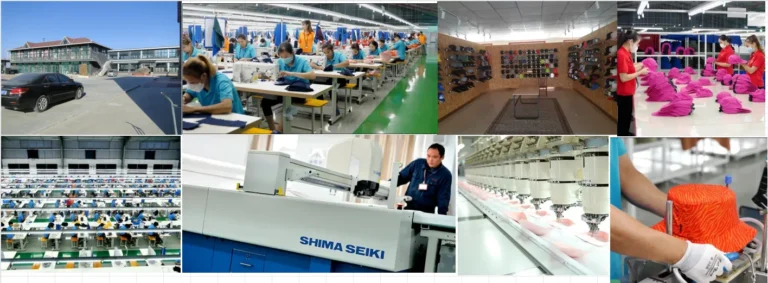
At Qingdao Sinotin Headwear Co., Ltd., we provide OEM and ODM manufacturing services for custom hats and knitted beanies for brands, wholesalers, distributors, and promotional product companies.
Our custom beanie services include:
- Multiple yarn options, including acrylic, cotton, wool, and selected premium blends.
- Custom knitting patterns, colors, and structures.
- Embroidery, woven labels, leather patches, and other branding solutions.
- Private label customization and packaging.
- Sample development and bulk production.
- Quality inspection and worldwide shipping support.
Whether you are developing a basic wholesale winter beanie or a premium branded knitted hat collection, we can help turn your design concept into a production-ready product.
9. Frequently Asked Questions About Custom Beanies
Q1: What is the best yarn for custom beanies?
There is no single best yarn for every project. Acrylic is a cost-effective option for wholesale production, wool and merino wool are suitable for warmer premium products, cotton works well for lightweight styles, and cashmere is ideal for luxury collections.
Q2: Can I customize the yarn color of my beanies?
Yes. Custom yarn colors can be developed according to your design requirements. Pantone color references can help manufacturers match the desired color, although the final knitted sample should be approved before bulk production.
Q3: What is the difference between a regular knitted beanie and a jacquard beanie?
A regular knitted beanie may use a solid-color construction with a separately applied logo. A jacquard beanie integrates multiple colors, patterns, or logos directly into the knitted fabric.
Q4: Which logo method is best for custom beanies?
Embroidery is suitable for textured brand logos, woven labels offer a clean minimalist look, leather patches create a premium appearance, and jacquard knitting is ideal for integrated patterns. The best option depends on the design and knitted construction.
Q5: Can I order custom beanies with my own brand label?
Yes. Custom private label services can include woven labels, custom hangtags, logo patches, and branded packaging.
Q6: What is the MOQ for custom knitted beanies?
MOQ depends on the yarn, knitting construction, color requirements, and branding method. For many standard custom beanie projects, the MOQ may start around 100 pieces per style per color. Please confirm the actual MOQ with your manufacturer based on your design.
Q7: How long does it take to manufacture custom beanies?
Production time depends on the design, material availability, order quantity, and customization requirements. Sample development and bulk production schedules should be confirmed with the manufacturer before placing an order.
Q8: Can I combine jacquard knitting with embroidery or patches?
Yes. Some designs can combine jacquard patterns with embroidery, woven labels, or patches. However, the feasibility depends on the fabric construction, logo location, and design complexity.
10. Start Your Custom Beanie Project with Sinotin
Choosing the right yarn, knitting structure, and branding method is essential for creating custom beanies that meet your brand’s quality and market requirements.
As a professional custom hat manufacturer in China, Qingdao Sinotin Headwear Co., Ltd. provides OEM and ODM solutions for brands, wholesalers, distributors, and retailers worldwide.
Whether you need acrylic knitted beanies, premium wool beanies, jacquard winter hats, or private label beanies with custom logos, we are ready to support your project.
Send us your design, reference images, or product specifications to get started.
- Custom yarn and color options.
- Professional design and sample support.
- Factory-direct wholesale quotations.
- OEM and ODM manufacturing services.
Contact Sinotin today to develop your custom beanie collection.
Explore Custom Beanie Products | Contact Our Hat Manufacturing Team