 English
  Spanish
  French
  Japanese
  Korean
  Dutch
Dutch  German
  Portuguese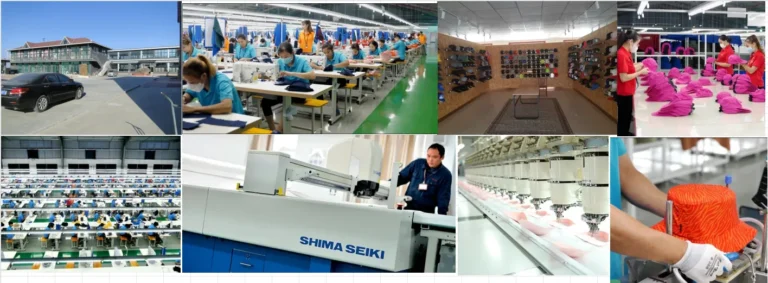
How Are Custom Hats Made? Inside the Custom Hat Manufacturing Process
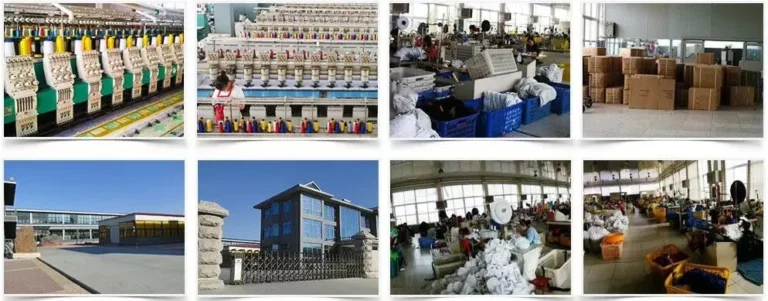
This article takes you inside the factory and explains how custom hats are made step by step—from the first design file to the finished product ready for shipment.
Custom Hat Manufacturing Process: From Design to Finished Product
Here is a simplified overview of the production process:
Design→Tech Pack & Production Specifications→Material Selection→Pattern Development→Sample Development→Sample Review & Approval→Bulk Production Preparation→Fabric Cutting→Embroidery, Patches & Logo Decoration→Sewing & Hat Assembly→Shaping & Finishing→Quality Control→Packaging & Shipping
Let’s look at what happens during each stage.
1. Starting with the Hat Design
Every custom hat starts with a design concept.
The customer may provide a complete design package, or simply send a logo, sketch, inspiration image, or reference sample. The factory then uses this information to understand how the finished hat should look and how it should be constructed.
At this stage, the main product details may include:
- Hat style
- Number of panels
- Crown profile
- Structured or unstructured construction
- Brim shape
- Fabric and color
- Logo placement
- Decoration method
- Back closure
- Labels and branding details
For example, a custom baseball cap may use a structured six-panel crown, cotton twill fabric, a curved brim, 3D embroidery on the front, flat embroidery on the side, and an adjustable metal buckle closure.
The more clearly these details are defined at the beginning, the easier it is to move into product development and sampling.
If you are still deciding which style best fits your project, explore our Custom Trucker Hats and Custom Baseball Caps.
2. Turning the Design into a Tech Pack and Production Specifications
Once the design direction is clear, the next step is translating the idea into production instructions.
This information is often organized in a tech pack or a similar production specification document.
A hat tech pack helps ensure that the factory understands exactly how the product should be made. Depending on the project, it may include:
- Front, side, back, and inside views
- Hat dimensions
- Panel construction
- Fabric specifications
- Color references or Pantone codes
- Logo artwork
- Embroidery size and placement
- Patch specifications
- Closure details
- Labels and branding
- Special construction requirements
Think of the tech pack as a bridge between design and manufacturing. It gives the production team a clear reference before materials are prepared and samples are made.
Not every customer needs to arrive with a complete professional tech pack. In many cases, a manufacturer can help organize the necessary production specifications based on the customer’s artwork, reference images, or physical samples.
3. Selecting the Materials and Components
Once the product specifications are clear, the factory prepares the materials and components needed for development and production.
The outer fabric is only one part of a hat. Depending on the style, a custom cap may also require:
- Interlining or buckram
- Brim board
- Sweatband materials
- Mesh panels
- Eyelets
- Top buttons
- Snap closures or buckles
- Woven labels
- Hangtags
Common hat fabrics include cotton twill, polyester, nylon, mesh, corduroy, washed cotton, and other specialty materials.
The selected material can influence the hat’s structure, appearance, comfort, durability, and production method. For example, a structured trucker hat and a soft unstructured dad hat may use very different materials and internal construction.
For a more detailed comparison of fabrics and materials, see our Custom Hat Materials Guide.
4. Developing the Hat Pattern
Before a hat can be cut and sewn, the factory needs patterns for the individual components.
A pattern determines the size and shape of each piece used to construct the hat. For a multi-panel baseball cap, this may include separate crown panels, brim components, reinforcement pieces, sweatband sections, and other construction parts.
Pattern development has a direct effect on:
- The shape of the crown
- The fit of the hat
- The height and profile
- The relationship between the crown and brim
- Overall production consistency
For a completely new design, pattern development may involve adjustments before the factory achieves the desired shape.
For an existing hat style, an established pattern may already be available and can be adapted with different materials, colors, logos, or branding details.
5. Making the First Sample
Once the design, specifications, materials, and patterns are prepared, the factory produces the first physical sample.
This is the point where the design becomes a real product.
A sample allows the customer and factory to evaluate details that are difficult to judge from a digital mockup, including:
- Hat shape
- Fabric appearance
- Color accuracy
- Logo size
- Logo placement
- Embroidery quality
- Patch appearance
- Brim shape
- Fit and comfort
- Closure function
Sample development is an important part of the custom hat manufacturing process because it allows potential problems to be identified before bulk production begins.
6. Reviewing and Approving the Sample
After the sample is completed, it is reviewed against the original design and production specifications.
At this stage, the customer may approve the sample, request minor revisions, or require another sample if major changes are necessary.
The approval process is important because the approved sample can serve as a reference for bulk production.
Common revisions may involve:
- Changing the fabric color
- Adjusting the crown shape
- Changing embroidery size
- Moving a logo position
- Adjusting brim curvature
- Changing a closure or accessory
Once the main specifications are confirmed, the factory can prepare for bulk production.
7. Preparing for Bulk Production
Before large-scale production begins, the factory prepares the approved materials, artwork files, production instructions, and necessary components.
This stage helps ensure that different production departments are working from the same specifications.
For example:
- Embroidery files are prepared for embroidery machines
- Patch designs are prepared for production
- Fabric and components are organized
- Patterns are confirmed
- Production instructions are distributed
This preparation stage is particularly important for custom projects with multiple logo locations, colors, materials, or special construction requirements.
8. Cutting the Fabric and Hat Components
Once production materials are ready, the fabric is cut according to the approved pattern.
Depending on the style and production setup, the factory may cut:
- Front panels
- Side panels
- Back panels
- Brim fabric
- Sweatband materials
- Other reinforcement components
Accuracy during cutting is important because small differences in component dimensions can affect the final shape and consistency of the finished hat.
After cutting, the individual components move to the appropriate production processes.
9. Adding Embroidery, Patches, and Other Logo Decorations
For many custom hats, logo decoration takes place before the hat is fully assembled.
Depending on the design, the factory may use:
- Flat embroidery
- 3D puff embroidery
- Woven patches
- Embroidered patches
- Leather or faux leather patches
- Rubber or PVC patches
- Screen printing
- Heat transfer printing
- Other specialized decoration methods
The selected decoration method depends on the artwork, fabric, desired appearance, and construction of the hat.
For embroidery, the original artwork normally needs to be converted into a machine-readable embroidery file. The stitch pattern, density, underlay, and other settings can influence the final appearance of the logo.
Once the decoration is completed and checked, the components can move to the assembly stage.
10. Sewing and Assembling the Hat
This is the stage where the separate components are transformed into a finished hat.
The exact sequence varies by style, but a typical baseball cap may involve:
- Sewing individual crown panels together
- Adding eyelets
- Installing reinforcement materials
- Attaching the sweatband
- Preparing and attaching the brim
- Installing the back closure
- Adding the top button
- Attaching labels or internal branding
A trucker hat, dad hat, five-panel cap, flat brim cap, and performance cap may follow different assembly methods because their materials and structures are different.
This is why hat manufacturing is usually divided into multiple specialized production operations rather than being completed in one single sewing step.
11. Shaping and Finishing the Hat
After the main assembly process is completed, the hat may go through shaping and finishing operations.
Depending on the style, this can include:
- Shaping the crown
- Adjusting the brim
- Trimming loose threads
- Cleaning the finished product
- Checking the final appearance
Structured hats may require additional shaping to help achieve a consistent crown profile. The goal is to ensure that the finished product maintains the intended shape and appearance.
12. Inspecting the Finished Hats
Before packaging, the finished hats go through quality control checks.
Typical inspections may include:
- Overall shape and appearance
- Fabric defects
- Color consistency
- Logo accuracy
- Embroidery quality
- Patch attachment
- Stitching quality
- Brim shape
- Closure function
- Label placement
- General workmanship
Quality control helps identify products that do not meet the approved production specifications before they are packed for shipment.
13. Packaging the Finished Hats for Shipment
After inspection, the finished hats are prepared for shipment.
Packaging requirements can vary depending on the product style and the customer’s requirements.
Common packaging options include:
- Individual polybags
- Paper inserts
- Custom hangtags
- Barcode labels
- Custom retail packaging
- Inner cartons
- Export cartons
For structured caps, carton packing is especially important because the hats need protection during transportation to help maintain their shape.
Once packaging is completed, the order is ready for shipment.
Want to Learn More About Ordering Custom Hats?
This article focuses on what happens inside the factory during the custom hat manufacturing process.
If you are planning to order custom hats and want to understand the purchasing side of the process, you may also find these guides helpful:
- The Complete Guide to Custom Hat Manufacturing for U.S. Buyers
- Custom Trucker Hats
- Custom Baseball Caps
- How Much Do Custom Hats Cost?
- Custom Hats MOQ Guide
The difference is simple: this guide explains how hats are actually made, while our complete buyer’s guide explains what brands and buyers need to know when planning a custom hat project.
Frequently Asked Questions About How Custom Hats Are Made
How are custom hats made?
Custom hats are typically made through a series of production stages, including design development, technical specifications, material preparation, pattern making, sample development, cutting, logo decoration, sewing, shaping, quality control, packaging, and shipping.
What happens before bulk hat production begins?
Before bulk production, the design and production specifications are confirmed, materials are prepared, patterns are developed or selected, and a physical sample may be produced and reviewed.
Is embroidery added before or after the hat is sewn?
In many cases, embroidery or other logo decorations are applied to individual hat panels before the hat is fully assembled. However, the exact process can vary depending on the design and decoration location.
Why is sample approval important?
A physical sample allows the customer and manufacturer to review the hat’s shape, materials, logo placement, decoration quality, and other important details before bulk production begins.
Are all types of hats made using the same process?
No. While the general manufacturing workflow is similar, different styles such as baseball caps, trucker hats, dad hats, five-panel caps, and performance hats may use different materials, patterns, construction methods, and production operations.
Final Thoughts: From Design to Finished Custom Hat
So, how are custom hats made?
The process starts long before the first piece of fabric is cut. A custom hat typically moves through design development, technical planning, material preparation, pattern development, sampling, approval, cutting, decoration, sewing, shaping, quality control, and packaging before it is ready to leave the factory.
Understanding this process can help brands and buyers communicate more clearly with manufacturers and better understand what happens behind the scenes during product development and production.
If you are planning a custom headwear project, explore our Custom Hats options to learn more about available styles and customization possibilities.