 English
  Spanish
  French
  Japanese
  Korean
  Dutch
Dutch  German
  Portuguese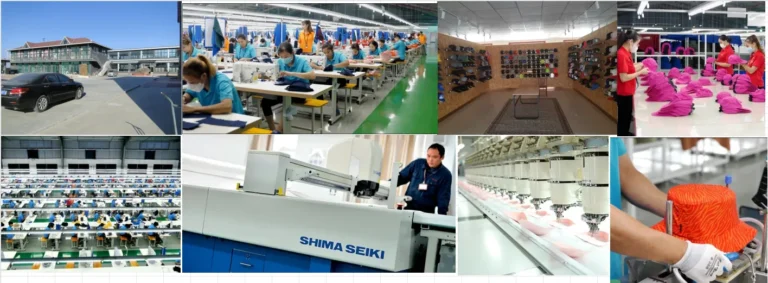
The Ultimate OEM Hat Manufacturing Checklist: From Tech Pack to Bulk Production
For startup founders, sourcing managers, and overseas purchasing teams, some of the most common challenges include:
- Communication gaps between the brand and factory
- Samples that do not match the original concept
- Incorrect logo size or placement
- Unexpected material substitutions
- Inconsistent bulk production quality
- Delayed production schedules
- Packaging or shipping problems
The good news is that most of these risks can be reduced before bulk production even begins.
A clear specification, structured sample approval process, defined quality standards, and realistic production schedule can make custom headwear sourcing much more predictable.
This guide walks you through the complete OEM hat manufacturing process—from preparing a hat tech pack to approving samples, managing bulk production, performing quality control, and planning logistics.
Whether you are launching your first private label cap collection or sourcing thousands of hats for an established brand, this checklist will help you work more effectively with an OEM hat manufacturer.
For an overview of the complete OEM and ODM process, you can also read our guide:
Custom Hat Manufacturer for Global Brands
The OEM Hat Manufacturing Process at a Glance
A typical custom headwear sourcing project follows this workflow:
- Product concept and style selection
- Tech pack preparation
- Material and trim confirmation
- Quotation and MOQ confirmation
- Sample development
- Sample review and revision
- Pre-production sample approval
- Material preparation
- Bulk production
- In-line quality control
- Final inspection
- Packing and shipping
The earlier you clarify specifications, the fewer surprises you are likely to encounter during production.
Phase 1: Preparing Your Hat Tech Pack
What Is a Hat Tech Pack?
A hat tech pack is a technical document that communicates exactly what you want the factory to produce.
Think of it as the production blueprint for your custom cap.
A simple message such as:
“Please make a premium black baseball cap with our logo.”
leaves too much room for interpretation.
What does “premium” actually mean?
- 220 GSM cotton or 280 GSM cotton?
- Structured or unstructured crown?
- Flat embroidery or 3D puff embroidery?
- Plastic snapback or metal buckle?
- Pre-curved visor or flat brim?
A professional hat tech pack replaces subjective descriptions with measurable specifications.
A complete tech pack should include:
- Hat style
- Cap profile
- Number of panels
- Crown construction
- Fabric composition
- Fabric weight
- Color references
- Visor construction
- Closure type
- Sweatband
- Logo decoration
- Labels
- Packaging
- Measurements and tolerances
1. Define the Cap Profile and Construction
The cap profile determines the overall appearance and fit of the hat.
Common options include:
- Low profile
- Mid profile
- High profile
You should also define whether the crown is:
- Structured
- Semi-structured
- Unstructured
Example Product Specification
- Style: 6-panel baseball cap
- Profile: Mid profile
- Crown: Structured front panels
- Visor: Pre-curved
- Fabric: 100% heavyweight cotton twill
- Fabric Weight: 280 GSM
- Closure: Self-fabric strap with antique brass buckle
This type of specification gives the factory a much clearer production target.
If you are developing a classic structured cap, you can also review our
Custom Baseball Caps with Logo
page for examples of available constructions, closures, fabrics, and customization options.
2. Specify the Number of Panels
The number of panels affects both the appearance and construction cost of the cap.
5-Panel Hats
Commonly used for:
- Outdoor brands
- Camper caps
- Promotional products
- Streetwear collections
6-Panel Hats
One of the most common constructions for:
- Baseball caps
- Dad hats
- Trucker hats
- Snapbacks
7-Panel Hats
Increasingly popular for:
- Outdoor brands
- Lifestyle brands
- Premium headwear collections
Your tech pack should include a clear visual showing the panel structure, especially when different panels use different fabrics or colors.
3. Specify the Fabric—Not Just “High Quality Material”
One of the most common sourcing mistakes is using vague descriptions.
Instead of writing:
High-quality cotton.
Use measurable specifications such as:
Fabric: 100% Cotton Twill
Weight: 280 GSM
Finish: Garment washed
Color: Pantone reference approved before production
Professional sourcing decisions should be based on specifications rather than marketing language.
Depending on the product, common materials may include:
- Cotton twill
- Brushed cotton
- Polyester
- Nylon
- Canvas
- Corduroy
- Wool blends
- Performance fabrics
- Polyester mesh
For trucker hats, the combination of front-panel material, mesh construction, and closure design should all be specified.
Explore our
Custom Trucker Hats
for more customization options.
4. Define the Closure System
The back closure should always be included in the tech pack.
Common options include:
- Plastic snapback
- Metal buckle
- Self-fabric strap
- Hook-and-loop closure
- Elastic closure
- Fitted construction
A better specification would be:
Closure: Adjustable self-fabric strap with antique brass buckle.
If the hardware is branded, specify the logo artwork, buckle dimensions, material, and surface finish.
5. Specify the Sweatband
The sweatband is an important component for both comfort and perceived quality.
Options may include:
- Cotton sweatband
- Polyester sweatband
- Moisture-wicking sweatband
- Printed sweatband
- Custom branded sweatband
Example: Black moisture-wicking polyester sweatband with custom woven brand label.
6. Don’t Forget Labels and Private Label Details
A custom hat is not fully private label if only the front logo is customized.
Your tech pack can also specify:
- Woven labels
- Printed labels
- Size labels
- Care labels
- Hangtags
- Barcode stickers
- Custom polybags
- Retail packaging
Back Label: Woven label, 50 mm × 15 mm, sewn above the back opening.
Phase 2: Sampling & Prototyping
Once the tech pack is ready, the next stage is sample development.
This is where your design becomes a physical product.
A sample should not only be evaluated based on whether it “looks good.” It should be reviewed as a technical reference for bulk production.
Why the Pre-Production Sample Is Critical
Before authorizing bulk production, the buyer should approve a final Pre-Production Sample, commonly called a PP Sample.
The PP sample should represent the standard that the factory follows during bulk production.
1. Cap Shape and Profile
Check:
- Crown height
- Front panel structure
- Panel symmetry
- Overall profile
- Visor shape
- Fit and comfort
2. Logo Size and Placement
Logo placement should be measurable whenever possible.
- Logo width
- Logo height
- Distance from the visor
- Distance from panel seams
- Center position
Front Logo Size: 100 mm W × 35 mm H.
Flat Embroidery vs. 3D Puff Embroidery
Flat Embroidery
Flat embroidery is suitable for:
- Detailed logos
- Small text
- Fine lines
- Complex artwork
3D Puff Embroidery
3D puff embroidery is commonly used for:
- Bold letters
- Simple logos
- Sportswear
- Streetwear
- Premium branding
When reviewing embroidery samples, check:
- Stitch density
- Thread coverage
- Edge cleanliness
- Thread tension
- Foam coverage
- Logo proportions
3. Check Stitching Quality
A professional sample review should include both the outside and inside of the cap.
- Stitch consistency
- Stitch density
- Loose threads
- Skipped stitches
- Uneven seam lines
- Panel alignment
- Reinforcement stitching
Phase 3: Bulk Production & QC Standards
After the PP sample is approved, bulk production can begin.
However, quality control should not start only after all hats are finished.
Stage 1: Incoming Material Inspection
- Fabric color consistency
- Fabric defects
- Material weight
- Mesh quality
- Closure quality
- Trim accuracy
- Logo materials
Stage 2: Cutting and Sewing Control
- Panel cutting accuracy
- Pattern consistency
- Panel alignment
- Seam straightness
- Stitch density
- Thread tension
- Crown symmetry
Stage 3: Embroidery and Decoration Inspection
- Correct logo size
- Correct logo position
- Thread color
- Stitch density
- Edge definition
- 3D puff consistency
- Patch attachment
Stage 4: Closure Strength and Function
- Snapback engagement
- Buckle attachment
- Strap stitching
- Adjustment function
- Hardware defects
Stage 5: Visor Shape and Consistency
- Curvature consistency
- Left-to-right symmetry
- Shape retention
- Visor alignment with the crown
Phase 4: Lead Times & Logistics
A realistic production schedule should consider:
- Sample development
- Sample revisions
- Custom fabric production
- Material availability
- Embroidery development
- Production capacity
- Quality inspection
- Shipping schedules
Typical Sample Lead Time: 7–10 Days
For many standard custom hat projects, sample development typically takes approximately 7–10 days.
Complex embroidery, custom fabrics, special hardware, or multiple revisions may require additional time.
Typical Bulk Production Lead Time: 20–30 Days
For standard OEM hat orders, bulk production may typically take approximately 20–30 days.
The actual production schedule depends on order quantity, product complexity, material availability, production season, and factory capacity.
Air Freight vs. Sea Freight: Which Is Better?
Air Freight
Best for:
- Urgent replenishment
- Product launches
- Smaller shipments
- Time-sensitive projects
Advantages: Faster transit and shorter overall delivery timelines.
Consideration: Higher transportation costs.
Sea Freight
Best for:
- Larger orders
- Planned inventory
- Cost-sensitive shipments
Advantages: Lower transportation cost per unit for larger shipments.
Consideration: Longer transit time.
The Complete OEM Hat Manufacturing Checklist
Product Specifications
- ☐ Hat style confirmed
- ☐ Cap profile confirmed
- ☐ Number of panels confirmed
- ☐ Structured or unstructured crown confirmed
- ☐ Visor shape confirmed
- ☐ Product measurements approved
Materials
- ☐ Fabric composition confirmed
- ☐ Fabric weight specified
- ☐ Fabric color approved
- ☐ Mesh specification confirmed
- ☐ Sweatband material confirmed
- ☐ Closure material and finish confirmed
Branding
- ☐ Logo artwork provided in production-ready format
- ☐ Logo size confirmed
- ☐ Logo placement confirmed
- ☐ Embroidery or patch method approved
- ☐ Thread colors approved
- ☐ Internal labels approved
- ☐ Private label details confirmed
Sampling
- ☐ Development sample received
- ☐ Cap shape approved
- ☐ Fabric approved
- ☐ Color approved
- ☐ Logo approved
- ☐ Stitch quality checked
- ☐ Embroidery quality checked
- ☐ Measurements checked
- ☐ PP sample approved
Production & Quality Control
- ☐ MOQ confirmed
- ☐ Bulk production lead time confirmed
- ☐ QC requirements confirmed
- ☐ AQL inspection requirements agreed
- ☐ Packaging specifications approved
- ☐ Final inspection arranged if required
5 Common Mistakes When Sourcing Custom Hats
1. Sending Only a Logo
A logo is not a production specification.
Without clear information about materials, construction, measurements, and decoration, different factories may interpret the same design differently.
2. Approving a Sample Too Quickly
Do not approve a sample simply because the logo looks correct.
Check the shape, fit, fabric, color, construction, embroidery, closure, and internal finishing.
3. Changing Specifications After Production Starts
Late changes can affect material costs, production schedules, inventory planning, and delivery dates.
4. Comparing Factories Only by Unit Price
The lowest quotation does not always represent the lowest total sourcing cost.
When comparing suppliers, also compare:
- Fabric specifications
- Material weight
- Construction
- Logo method
- Quality standards
- MOQ
- Sampling capability
- Production lead time
- Communication quality
For more guidance, read:
Best Hat Manufacturer: How to Choose the Right Custom Hat Supplier
5. Treating the Factory as Only a Production Vendor
An experienced OEM hat manufacturer can also provide feedback about:
- Production feasibility
- Material options
- Embroidery limitations
- Cost optimization
- Packaging
- Production timelines
How to Choose the Right Private Label Cap Factory
A capable private label cap factory should be able to provide:
- Tech pack support
- Product development
- Material sourcing
- Sample development
- Flat embroidery
- 3D puff embroidery
- Patch production
- Private label customization
- Bulk production
- Quality control
- Export packaging
At
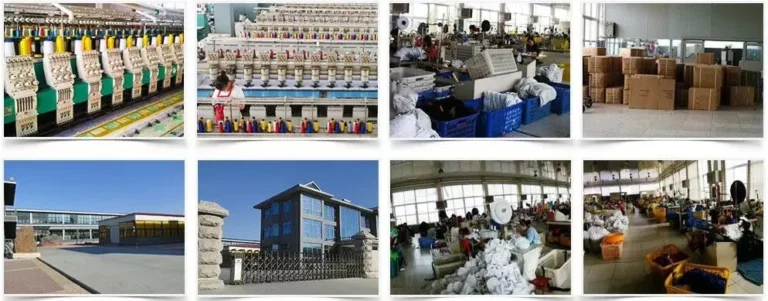
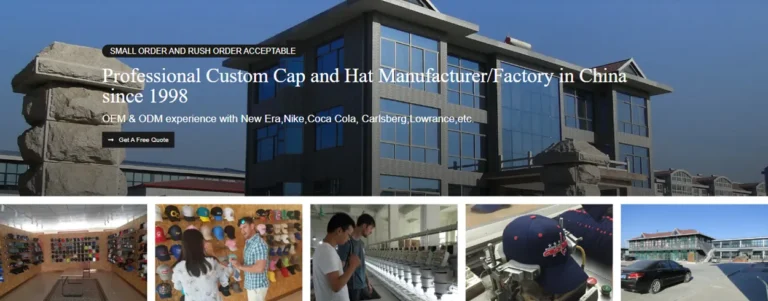
Qingdao Sinotin Headwear
,
we support brands through product development, sampling, bulk production, quality control, and export preparation.
If you are sourcing structured mesh caps, you may also find this article useful:
Richardson 112 Style Trucker Hats: Why Are They So Popular?
.
Ready to Start Your OEM Hat Project?
Send Us Your Design for a Production Review
You can send us your logo, reference images, tech pack, target quantity, and target delivery date.
Start Your Custom Hat Project →
Frequently Asked Questions About OEM Hat Manufacturing
How long does OEM hat sampling take?
For many standard projects, sampling typically takes around 7–10 days. Complex embroidery, custom fabrics, special hardware, or multiple revisions may require additional time.
What should be included in a hat tech pack?
A complete hat tech pack should include the cap style, profile, panel structure, materials, fabric weight, colors, measurements, visor, closure, sweatband, logo specifications, labels, packaging, and other production requirements.
What is a pre-production sample?
A pre-production sample, or PP sample, is the approved reference sample used to guide bulk manufacturing.
What does AQL 2.5 mean?
AQL is a commonly used acceptance sampling framework for product inspection. The inspection plan and defect limits should be agreed upon by the buyer and manufacturer before production.
Can I develop a custom hat if I only have a logo?
Yes. If you have a logo, sketch, or reference image, an experienced OEM hat manufacturer can help develop the additional production specifications needed for sampling.
What is the MOQ for custom hats?
MOQ depends on the hat style, materials, decoration method, colors, and level of customization. Contact the factory with your project details for a specific quotation.
Turn Your Hat Design Into Production-Ready Headwear
From your first tech pack to final inspection and shipment, a structured sourcing process can help reduce communication errors, control production risks, and improve consistency.
At Qingdao Sinotin Headwear, we support custom headwear projects from product development and sampling to bulk production, quality control, and export preparation.
Whether you are launching a new brand or sourcing your next production run, you can start with a logo, sketch, reference image, or complete tech pack.
Ready to Start?
Send us your design, quantity, and target delivery date.
We will help you review the manufacturing requirements and determine the next steps for your custom hat project.