
 English
  Spanish
  French
  Japanese
  Korean
  Dutch
Dutch  German
  Portuguese
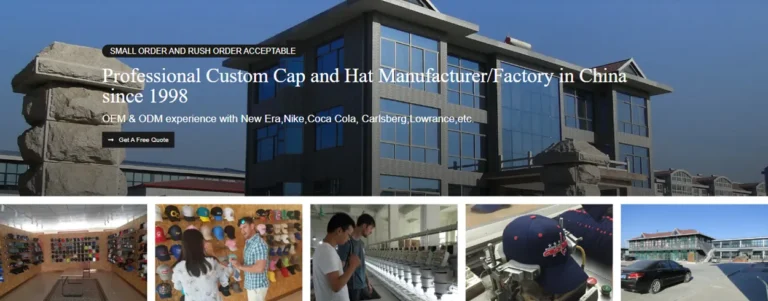
In today’s competitive apparel market, custom hats are more than just accessories—they are powerful branding tools. Whether you are a fashion brand, promotional company, or corporate buyer, understanding how hats are made and what defines quality can help you make better purchasing decisions.
This ultimate guide to custom hats explores everything you need to know about custom hat manufacturing, from materials and styles to production techniques and supplier selection.
1. Why Custom Hats Are Essential for Modern Brands
Custom hats serve multiple purposes:
- Brand promotion and visibility
- Corporate identity and uniforms
- Retail fashion collections
- Event merchandise
Compared to other promotional products, hats offer high visibility, long lifespan, and strong ROI, making them one of the most effective marketing tools.
2. Popular Types of Hats in the Global Market
Understanding different hat styles helps you choose the right product for your audience.
• Baseball Caps
The most widely used style worldwide, suitable for sports, casual wear, and branding.
• Trucker Hats
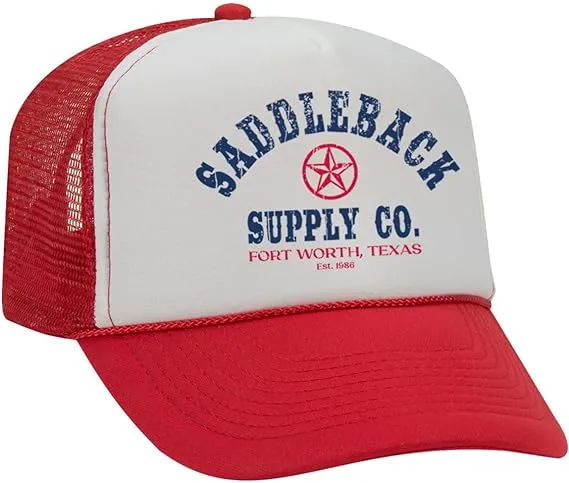
Featuring mesh back panels for breathability, popular in streetwear and outdoor markets.
• Snapback Hats
Flat brim with adjustable snap closure, commonly used in urban fashion.
• Dad Hats
Soft, unstructured caps with a relaxed fit, trending in minimalist fashion.
• Beanies
Essential winter accessories, ideal for cold-weather markets.
3. Key Materials Used in Hat Manufacturing
Material selection directly impacts comfort, durability, and price.
• Cotton
- Soft and breathable
- Ideal for everyday wear
- Easy to customize
• Polyester
- Durable and moisture-wicking
- Great for sports hats
• Wool
- Premium feel
- Suitable for winter hats
• Corduroy & Washed Fabrics
- Vintage aesthetic
- Increasingly popular in fashion markets
4. Customization Techniques Explained
Customization is where your brand truly stands out.
• Embroidery
- High-end appearance
- Long-lasting and durable
- Ideal for logos
• Printing (Screen / Heat Transfer)
- Suitable for complex designs
- Cost-effective for large quantities
• Patches (Woven / Leather / PVC)
- Adds texture and dimension
- Premium branding option
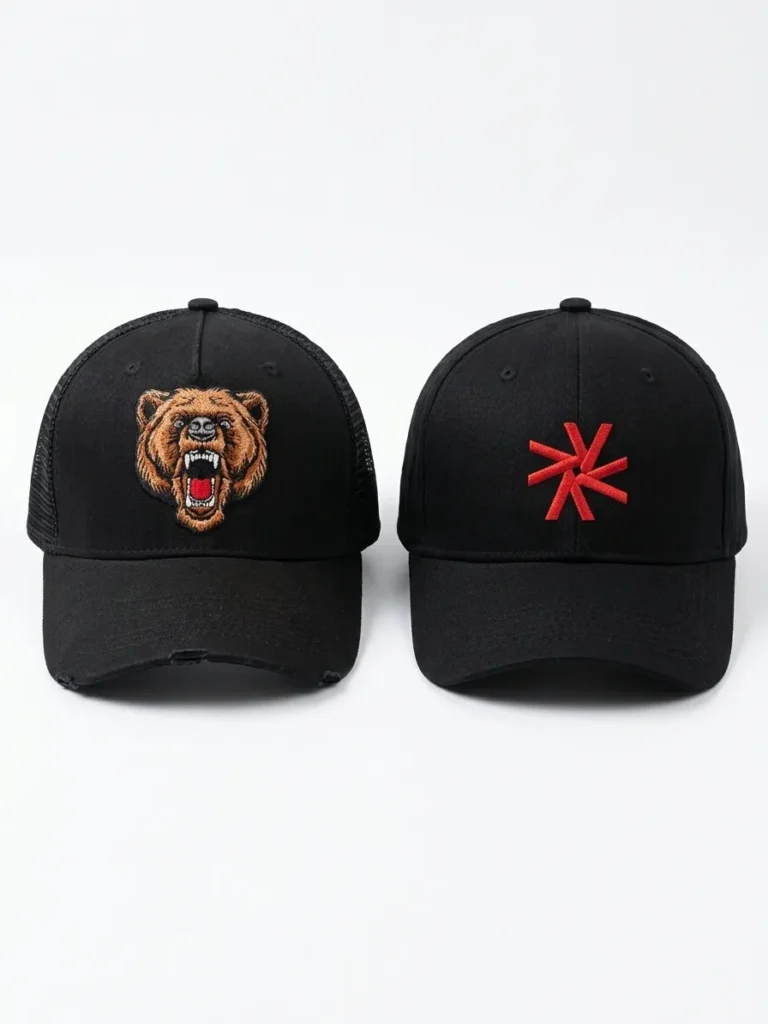
• 3D Puff Embroidery
- Raised effect
- Popular in streetwear caps
5. The Hat Manufacturing Process
A professional hat factory typically follows these steps:
- Design & Sampling
- Fabric Cutting
- Embroidery / Printing
- Panel Stitching
- Assembly & Shaping
- Quality Inspection
- Packaging
Each step plays a crucial role in ensuring the final product meets international quality standards.
6. How to Choose the Right Hat Manufacturer
When selecting a supplier, consider the following:
- Experience in OEM/ODM production
- Customization capabilities
- Minimum order quantity (MOQ)
- Quality control system
- Production lead time
Working with a professional manufacturer ensures consistency, scalability, and competitive pricing.
7. Trends in the Global Hat Industry (2025 and Beyond)
The hat market continues to evolve with changing consumer preferences:
- Sustainable and eco-friendly materials
- Vintage and distressed styles
- Minimalist branding
- Performance fabrics for sportswear
- Private label customization growth
Brands that adapt to these trends gain a strong competitive advantage.
8. Why Work with a Professional Hat Manufacturer
A reliable factory partner can provide:
- Custom design support
- Competitive factory pricing
- Strict quality control
- Fast production turnaround
- Global shipping solutions
For businesses looking to scale, choosing the right manufacturer is critical.
Conclusion
Custom hats are a versatile and powerful product category that combines fashion, function, and branding. By understanding materials, styles, and production processes, businesses can make informed decisions and create products that stand out in the market.
If you are looking for a trusted custom hat manufacturer, partnering with an experienced factory can help you turn your ideas into high-quality products efficiently and cost-effectively.