 English
  Spanish
  French
  Japanese
  Korean
  Dutch
Dutch  German
  Portuguese

Introduction
When creating custom hats for your brand, choosing the right material is one of the most important decisions. The fabric of a cap affects appearance, durability, comfort, breathability, and logo application methods.
Whether you are launching a fashion brand, ordering promotional merchandise, or sourcing products for retail, understanding hat materials will help you select the best option for your project.
In this custom hat materials guide, we explain the most common materials used in custom hats, their advantages, and how to use this custom hat materials guide for your brand.
Why Hat Materials Matter in Custom Cap Manufacturing
The material of a hat influences several important factors:
-
Comfort – how breathable and soft the hat feels
-
Durability – how well it holds its shape over time
-
Logo compatibility – embroidery, printing, or patches
-
Seasonality – summer vs winter hats
-
Brand positioning – premium vs promotional products
For example, cotton caps are popular for everyday wear, while performance fabrics are preferred for sports and outdoor use.
Professional manufacturers usually recommend different fabrics depending on the hat style and brand purpose.
Most Popular Materials Used in Custom Hats
Below are the most widely used materials in custom cap manufacturing.
1. Cotton (Most Popular Hat Material)
Cotton is the most commonly used fabric for custom hats, especially for baseball caps, dad hats, and promotional caps.
Advantages
-
Soft and comfortable
-
Breathable
-
Easy to embroider
-
Natural and eco-friendly
-
Affordable
Common Types of Cotton Used in Hats
-
Cotton Twill – durable and structured
-
Washed Cotton – softer vintage look
-
Brushed Cotton – smooth surface for embroidery
Cotton hats are ideal for:
-
retail brands
-
promotional merchandise
-
casual everyday caps
2. Polyester (Performance & Sports Caps)
Polyester is widely used for sports hats, golf caps, and performance headwear.
Advantages
-
Lightweight
-
Moisture-wicking
-
Quick-drying
-
Durable
-
Wrinkle-resistant
Polyester fabrics are commonly used in:
-
athletic caps
-
running hats
-
golf hats
-
outdoor sports caps
Many sports brands prefer polyester because it provides better sweat management during physical activities.
3. Mesh (Trucker Hat Material)
Mesh fabric is typically used on the back panels of trucker hats.
Advantages
-
Excellent ventilation
-
Lightweight
-
Casual style
-
Popular streetwear look
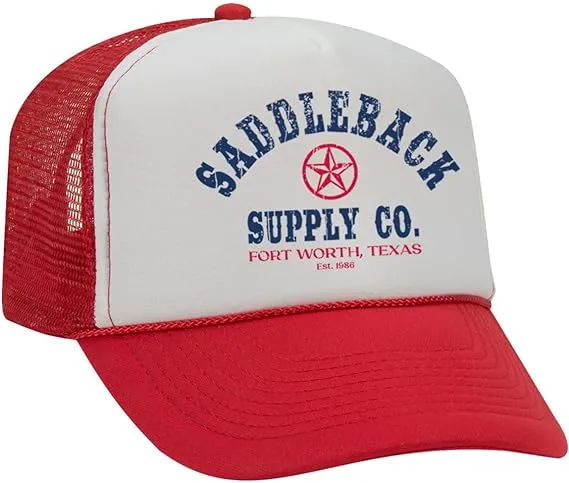
Trucker hats usually combine:
-
foam or cotton front panels
-
polyester mesh back panels
This material combination keeps the hat breathable and comfortable in hot weather.
4. Wool or Wool Blend (Premium Caps)
Wool fabrics are commonly used in snapback caps,flat brim hats and baseball caps.
Advantages
-
Structured appearance
-
Premium look
-
Warm for colder seasons
-
Great for embroidery
Wool blend fabrics are often used by:
-
streetwear brands
-
fashion brands
-
sports teams
These hats usually provide a more premium aesthetic compared to standard cotton caps.
5. Corduroy (Vintage Fashion Hats)
Corduroy hats have become increasingly popular in fashion and lifestyle brands.
Advantages
-
Unique ribbed texture
-
Retro aesthetic
-
Soft feel
-
Premium appearance
Corduroy works especially well for:
-
vintage caps
-
lifestyle brands
-
fashion collections
6. Nylon (Lightweight Outdoor Caps)
Nylon fabrics are commonly used for lightweight outdoor caps and camping hats.
Advantages
-
Extremely lightweight
-
Water-resistant
-
Durable
-
Quick drying
Nylon hats are often used in:
-
hiking caps
-
camping hats
-
outdoor sports hats
How to Choose the Right Hat Material for Your Brand
Choosing the right material depends on several factors.
1. Target Market
-
Streetwear → Wool / Corduroy
-
Sports → Polyester
-
Casual brands → Cotton
2. Season
-
Summer → Mesh / Polyester
-
All-season → Cotton
-
Winter → Wool
3. Logo Application
Different materials support different logo methods.
| Logo Method | Best Materials |
|---|---|
| Embroidery | Cotton, Wool |
| Printing | Polyester, Cotton |
| Patch | Cotton, Corduroy |
| Leather Patch | Cotton, Washed Cotton |
Fabric Weight and Structure
Another factor to consider is fabric weight and structure.
Structured Caps
-
hold their shape
-
used for baseball caps and snapbacks
Unstructured Caps
-
softer crown
-
popular for dad hats and casual caps
Manufacturers usually adjust fabric thickness and backing materials to maintain the desired structure.
Sustainability and Eco-Friendly Hat Materials
Sustainability has become increasingly important in the fashion industry.
Eco-friendly hat materials include:
-
Organic cotton
-
Recycled polyester
-
RPET fabrics
-
Hemp blends
Brands focused on sustainability often choose these materials to reduce environmental impact.
FAQ About Custom Hat Materials
What is the most common material for custom hats?
Cotton twill is the most commonly used material because it is durable, breathable, and suitable for embroidery.
What material is best for sports hats?
Polyester performance fabric is ideal for sports hats due to its moisture-wicking and quick-drying properties.
Are trucker hats made from mesh?
Yes. Most trucker hats combine foam or cotton front panels with polyester mesh back panels for better ventilation.
Which hat material is best for embroidery?
Cotton twill and wool blends are the best fabrics for embroidery because they provide a stable surface for stitching.
Conclusion
Selecting the right material is a key step when producing custom hats. Each fabric offers different advantages depending on your brand’s style, target market, and functional requirements.
-
Cotton works best for everyday caps
-
Polyester is ideal for sports hats
-
Mesh is perfect for breathable trucker hats
-
Wool and corduroy provide a premium fashion look
Working with an experienced manufacturer can help you choose the best material for your specific design and production needs.